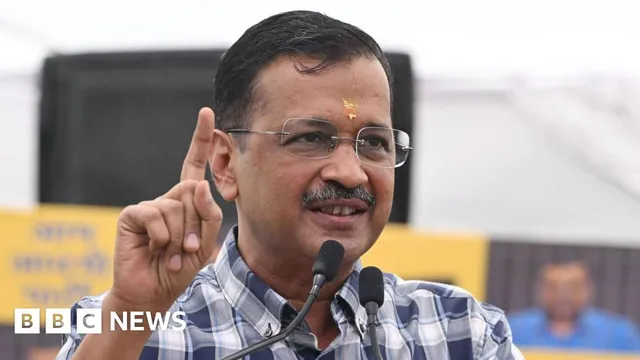
Political corruption has been a persistent issue in India, a country with a complex political history and diverse political landscape. The roots of corruption in India can be traced back to colonial times, where corrupt practices were often used as a tool for political control. Following independence in 1947, the Indian political framework continued to grapple with corruption, exacerbated by a lack of transparency and accountability in various government institutions. Since then, numerous corruption scandals have emerged, highlighting the deep-seated nature of this problem within the political system.
One of the most notable cases of political corruption in India occurred in the late 1980s, known as the Bofors scandal, where allegations arose that kickbacks were paid in a defense deal involving the purchase of artillery guns from a Swedish company. This scandal not only implicated high-ranking officials and politicians but also led to the downfall of then-Prime Minister Rajiv Gandhi. The Bofors case set a precedent for public outrage against corruption and brought the issue to the forefront of Indian politics. Over the years, other significant cases like the Harshad Mehta scam in 1992, where a stockbroker was found to have engaged in fraudulent practices with the Indian banking system, showcased the systemic issues that allowed corruption to proliferate.
In recent years, cases such as the 2G spectrum allocation scam and the Commonwealth Games corruption scandal have drawn national attention and international criticism. The 2G scam, which involved illegal allocation of telecom licenses and spectrum, was estimated to have caused a loss of over $39 billion to the exchequer. It implicated several high-profile politicians and led to numerous arrests, including that of former Telecommunications Minister A. Raja. The Commonwealth Games scandal similarly revealed gross financial mismanagement and corruption among officials who were responsible for organizing the event, leading to widespread media scrutiny and public outrage.
Efforts to combat corruption in India have included the establishment of anti-corruption agencies like the Central Vigilance Commission and the introduction of significant legislation such as the Right to Information (RTI) Act. These measures aim to empower citizens and improve transparency within government operations. Despite these efforts, the effectiveness of such initiatives has been hampered by political interference, insufficient enforcement mechanisms, and a culture of impunity among political elites. As India continues to navigate its political landscape, the battle against corruption remains a critical challenge, necessitating a collective commitment to reform and accountability to restore public trust in governance.