

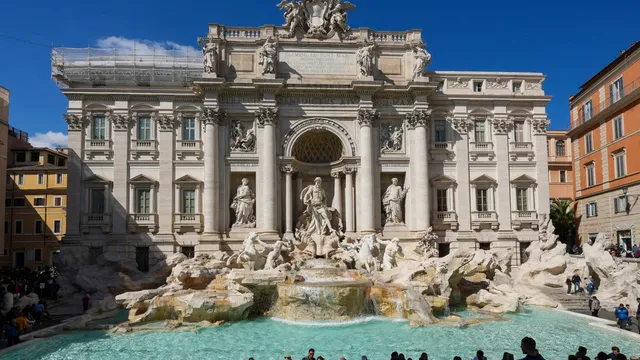
Rome charges €2 for Trevi Fountain access to control crowds
Rome charges €2 for Trevi Fountain access to control crowds
- Rome has rolled out a €2 fee for tourists to access the Trevi Fountain amid over-tourism concerns.
- This fee follows a successful year-long experiment to manage visitor flow at the fountain.
- Local residents are exempt from the fee, with the revenue expected to support city-run museums and maintenance.
Story
In early 2026, Rome introduced a €2 entrance fee for tourists wishing to access the Trevi Fountain directly, as part of a broader initiative to manage the flow of visitors and enhance the experience at this iconic landmark. The city has been grappling with over-tourism, particularly at this location, which has long been a magnet for visitors, making it difficult for people to enjoy the fountain comfortably due to the high volume of crowds. This new fee aims to reduce congestion and improve the overall enjoyment of the site. Local authorities noted that a previous year-long experiment implementing pathways and limiting visitor numbers had yielded positive changes, prompting the introduction of this fee. Tourists have responded positively, viewing the fee as a minor charge compared to their travel expenses. The city expects this measure could generate approximately €6.5 million annually, which will help maintain the cultural heritage sites and expand access for local residents. Exempt from these new tourist fees, registered Roman residents will not be affected by this policy. Rome's mayor and tourism officials believe that the fee for the fountain is reasonable, particularly when compared to similar charges in other major international cities, such as New York or Paris. While the Trevi Fountain remains one of the free attractions in Rome when viewed from the surrounding piazza, the fee allows visitors to experience the fountain more intimately during peak hours when it is lit and bustling. The introduction of this charge also reflects a trend observed globally, where cities that struggle with over-tourism have begun implementing similar access fees in an effort to make tourist hotspots more manageable and livable. As the city adapts to protect its cultural icons while ensuring sustainable tourism practices, the fee for the Trevi Fountain draws on lessons learned from other tourist-heavy destinations like the Pantheon in Rome and Venice, where various ticketing and tax systems have been introduced to balance visitor enjoyment with residents' quality of life. Authorities are keen to monitor the impact of this fee and may adjust their strategies based on the outcomes seen in the months to come.
Context
Over-tourism has emerged as a significant issue in popular destinations around the world, adversely affecting local communities, economies, and environments. The surge in tourist numbers in certain cities leads to overcrowding, increased strain on infrastructure, and a diminished quality of life for residents. Many cities are grappling with the balance between welcoming visitors and preserving their unique cultural and environmental assets. The challenge lies in implementing effective solutions that mitigate the negative impacts of tourism while also promoting sustainable and responsible travel practices. One of the foremost solutions to combating over-tourism is the development and enforcement of visitor caps. By limiting the number of tourists allowed in certain areas or attractions at any given time, cities can significantly reduce congestion and minimize wear and tear on public spaces. This approach has been successfully implemented in places like Boracay in the Philippines, where visitor numbers were restricted to preserve the island’s natural beauty and support ecological sustainability. Additionally, such measures encourage travelers to explore less-visited, neighboring regions that can benefit from tourism without facing the adverse effects of overcrowding. Another effective strategy involves enhancing the promotion of off-peak travel. Cities can create incentives for tourists to visit during less busy seasons, such as discounted entry fees or special events aimed at attracting visitors outside the high season. This can help distribute tourist traffic more evenly throughout the year, alleviating pressure on peak times and allowing local businesses to benefit from a steadier flow of visitors. Encouraging longer stays also contributes to this, as it reduces the turnover rate and allows tourists to engage more deeply with the local culture and community. Lastly, leveraging technology can contribute significantly to managing tourist flows and enhancing overall visitor experiences. Real-time data on crowd levels at attractions can be shared via mobile apps to help tourists make informed decisions about when and where to visit. Moreover, smart city initiatives can improve public transportation systems, making them more efficient and user-friendly, while encouraging the use of alternative modes of travel like cycling or walking. By integrating these strategies, cities can reclaim their vibrancy, ensuring that tourism enhances rather than detracts from the lives of residents and the experiences of visitors.


