

Demographic shift causes workforce mismatch in multiple countries
Demographic shift causes workforce mismatch in multiple countries
- Workers aged 55 and older are becoming a larger segment of the labor force, leading to potential shortages as many retire.
- Younger generations are less inclined to fill roles in certain industries, creating a supply gap in skilled trades, manufacturing, and healthcare.
- Experts emphasize the need for businesses to adapt to these demographic changes by leveraging technology and automation.
Story
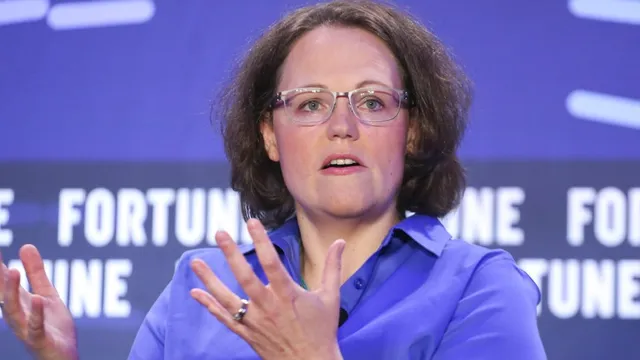
In recent years, industrialized nations, including the U.S., have been facing significant demographic changes that are reshaping the labor market. As of 2022, workers aged 55 and older have been the fastest-growing segment within the workforce, contributing to nearly 25% of the U.S. labor force. Experts like Svenja Gudell, chief economist at Indeed, indicate that this trend of an aging workforce is creating a 'great mismatch' whereby older workers are retiring at a rate that younger generations cannot adequately replace. This phenomenon is not limited to the U.S.; many advanced economies in the Group of Seven are witnesses to a similar scenario. By 2031, projections suggest that individuals aged 55 and up will constitute more than 25% of the workforce across these nations. The analysis highlights that the growing number of retiring baby boomers, who represent about 15% of the current U.S. workforce, will leave a substantial gap in various sectors. Furthermore, the career ambitions of younger generations, particularly Millennials and Gen Z, are diverging from those of their older counterparts, leading to a supply gap in industries such as skilled trades, healthcare, and manufacturing. This mismatch in interest and availability has raised alarms about the future efficacy of the labor market. During discussions at the Fortune’s Workplace Innovation Summit, Gudell emphasized the importance of recognizing that demographic change is a key factor contributing to the gaps in the labor force—not just advancements in technology like AI. In fact, Becky Schmitt, the chief people officer at PepsiCo, echoes this sentiment by underscoring the need for companies to adapt to these changes. She argues that as demographic trends shift, organizations like PepsiCo could utilize AI to automate some of the more demanding jobs that are less appealing to younger workers. This shift towards automation could help alleviate some pressure created by the labor shortages that are arising from demographic changes. Another significant aspect to consider is that the reluctance of younger generations to pursue certain careers extends beyond the U.S.; this trend is observable in many other countries as well. Schmitt noted that even in regions with larger youth populations, many young people aspire to roles like influencers rather than traditional jobs, adding another layer to the workforce mismatch. The overall implication of these trends suggests that businesses and governments will need to strategize effectively to bridge this gap in the labor market and ensure sustainable economic advancement in the coming years.


