

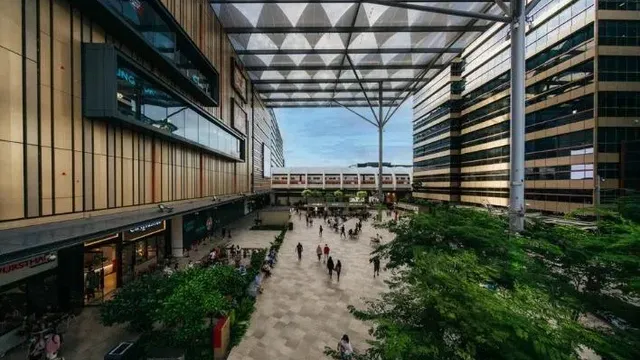
Lendlease Reit secures full ownership of PLQ Mall in $116 million deal
Lendlease Reit secures full ownership of PLQ Mall in $116 million deal
- Lendlease Global Commercial Reit plans to acquire a 30 percent stake in PLQ Mall for $116.4 million, following a previous 70 percent acquisition.
- The total portfolio value of the Reit is expected to rise to $4.2 billion with a focus on increasing income stability.
- This acquisition enables full operational control of the asset, promising potential savings and enhanced management capabilities.
Story
In Singapore, Lendlease Global Commercial Reit is set to acquire the remaining 30 percent stake in PLQ Mall for approximately $116.4 million. The announcement, made on February 25, follows the Reit’s previous acquisition of 70 percent of the mall back in November 2025. Upon completion of this deal, expected by June 30, the Reit will achieve full ownership and operational control of the mall, which is situated in the Paya Lebar area. The current agreed property value of the acquisition has been set at $885 million, reflecting a slight discount of 2.2 percent from the average appraised value determined by independent valuers, which is noted at $905 million. This transaction is projected to increase Lendlease Reit's total portfolio value to $4.2 billion, with Singapore-based assets making up roughly 90 percent of that portfolio. The acquisition is driven by a management strategy aimed at improving income stability and resilience. Notably, the mall has a committed occupancy rate of 99.4 percent, showcasing its value to the Reit's portfolio. This purchase allows Lendlease to refinance existing borrowings tied to the asset, which in turn is estimated to yield annual savings of about $2 million in all-in debt costs. The Reit is also looking to expand its financial standing with a preferential offering worth $196.6 million, launched on the same day as the acquisition announcement, proceeding at an issue price of 55.8 cents per new unit, which represents a 6 percent discount to the volume-weighted average price on the Singapore Exchange. Management highlights that securing 100 percent ownership will provide them greater flexibility in managing the asset and potentially enhancing long-term performance. The CEO of the Reit manager, Mr. Guy Cawthra, stated that this acquisition reinforces their capacity to unlock value for unitholders by fully controlling and managing the asset. The timing of the completion is notably crucial, as market conditions and refinancing opportunities can favorably impact the Reit’s overall financial outlook. Separately, in the competitive Singapore property landscape, Frasers Property has also made headlines by acquiring the rear block of The Centrepoint for $391.9 million. This acquisition positions them for a larger redevelopment by consolidating adjoining sites; it represents a strategic move for Frasers Property to enhance their existing portfolio in the prime Orchard Road area where they already hold a significant stake. Frasers Property's purchase underscores a growing trend of consolidation in the industry, as companies recognize the benefits of securing adjacent properties to facilitate redevelopment efforts.
Context
Real estate investments in Singapore represent a significant aspect of the national economy, contributing to its growth and stability. With a robust property market characterized by various sectors including residential, commercial, and industrial real estate, Singapore has become a prime location for both local and foreign investors. The government's prudent regulatory measures and transparent legal framework have fostered an environment conducive to real estate investments. Additionally, urbanization and population growth have driven demand, making property an appealing investment avenue. Factors such as low interest rates and a steady economic environment continue to attract investment in real estate, underscoring its importance to the country's financial landscape. Residential real estate remains a pivotal sector with a myriad of options for investors. The Housing Development Board (HDB) flats, private condominiums, and landed properties each offer different investment prospects. Over the years, property prices have varied, yet the long-term trend reflects resilience and potential for growth. Foreign ownership regulations have also played a key role in influencing market dynamics, with foreign investors typically keen on high-end condominiums and landed properties. The appeal of Singapore's residential properties stems not only from the associated capital appreciation but also from the rental yield, making it a lucrative choice for many overseas buyers. The commercial real estate market in Singapore is another significant area, dominated by office, retail, and industrial properties. The Central Business District (CBD) serves as a focal point for office spaces, with several developments enhancing the skyline and accommodating multinational corporations. The ongoing shifts in work culture, particularly the rise of remote working, have prompted a re-evaluation of office space requirements. Hence, some investors are now turning to adaptive reuse properties which might offer a better return on investment compared to traditional office spaces. Retail real estate, although challenged by e-commerce evolution, still finds opportunities in experiential retail, which enhances customer engagements and transforms shopping into an experience. In conclusion, real estate investments in Singapore are multifaceted and reflect the economic trends and consumer behaviors of the nation. The government's proactive approach to urban planning and infrastructure development continues to enhance property values and investment opportunities. With sustainable development gaining traction, green buildings and eco-friendly initiatives are likely to become prominent in Singapore's future real estate landscape. Overall, the impact of real estate investments in Singapore is profound, influencing not just the economy but also the living standards and quality of life within the nation.


