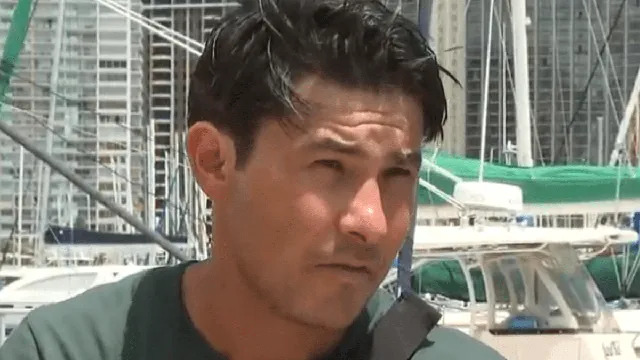
In June 2026, a solo sailor named Kai Sato set off from the Catalina Islands in California, aiming to complete his first solo Pacific crossing to Hawaii. However, approximately two weeks into his journey, Sato encountered severe difficulties when his mast failed, rendering his sailboat unmanageable. He attempted to use his motor for propulsion but soon ran out of fuel, leaving him adrift in the Pacific Ocean, far from major shipping lanes. With his phone damaged and unable to call for help, Sato felt isolated and hopeless.
As the days passed, Sato faced dire conditions. His food supply dwindled to leftover oatmeal and whatever sea creatures he could catch. By July 11, he had exhausted his fresh water supply, prompting him to create a makeshift condensation system using buckets and plastic bags to collect moisture. During this harrowing experience, he resorted to meditative practices, conversing with the elements around him, and drawing strength from memories of sailing with his uncle in the same waters during his childhood.
After nearly a month adrift, Sato's vessel was spotted by the crew of a cargo ship named Pasha Hawaii. The ship's crew made several attempts to rescue him, ultimately providing him with food, water, clothing, and a safe place to recover. Sato's boat was in a state of disrepair, with torn sails and a broken mast, as evidenced by footage he recorded during his ordeal. His rescue marked a significant turning point in his life, as he was finally reunited with relatives in Hawaii.
Despite the traumatic experience, Sato expressed a desire to undertake another long-distance voyage, this time planning to sail to the Philippines on a larger boat. His story highlights the challenges faced by solo sailors and the importance of maritime rescue operations, which are governed by international laws that encourage ships to assist vessels in distress. The maritime community recognizes the efforts of rescuers, ensuring that they are rewarded for their bravery and commitment to saving lives at sea.