

Trump admits softer touch needed on immigration after deadly Minneapolis shootings
Trump admits softer touch needed on immigration after deadly Minneapolis shootings
- President Trump acknowledged that his administration's immigration enforcement strategy could benefit from a more compassionate approach following significant public backlash.
- Federal agents' fatal shootings in Minneapolis caused nationwide protests and criticism from local leaders.
- The administration announced a withdrawal of federal agents from Minnesota, but ongoing criticism reflects deeper issues with immigration enforcement efforts.
Story
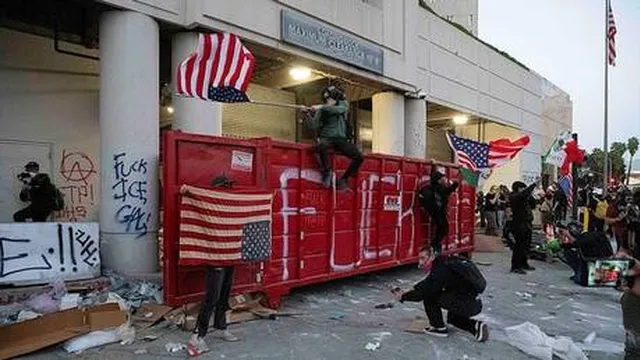
In the United States, following the fatal shootings of two U.S. citizens, Renee Good and Alex Pretti, by federal agents in Minneapolis last month, President Donald Trump had reflected on his administration’s immigration enforcement strategy. The shootings, which took place during a crackdown aimed at targeting criminals, provoked considerable backlash and nationwide protests. Trump indicated that the Biden administration's policies had allowed many undocumented immigrants into the country, a claim that has been challenged by data from authorities. In an exclusive interview with NBC News anchor Tom Llamas, he acknowledged that a different approach might be necessary, stating, 'maybe we could use a little bit of a softer touch, but you still have to be tough.' His communication with Minnesota’s Governor Tim Walz and Minneapolis Mayor Jacob Frey had reportedly been positive, yet they continued to publicly criticize the administration’s actions regarding the fatalities and the ensuing unrest. In response to the incidents, border czar Tom Homan announced the withdrawal of 700 federal immigration officers from Minnesota, which was celebrated as a first step by state officials but was still part of ongoing tensions between local leaders and Trump’s administration. The deaths of Good and Pretti have raised serious questions about federal law enforcement practices and their implications in communities, challenging the narrative of safety and crime reduction that the Trump administration has been promoting.
Context
The impact of Trump's immigration enforcement policies has been a topic of significant debate and analysis since the beginning of his administration in 2017. His administration implemented a series of aggressive measures aimed at curtailing both illegal immigration and legal immigration processes. These included the construction of a border wall between the United States and Mexico, increased funding for Border Patrol, and enhanced removal operations targeting undocumented immigrants. Additionally, policies such as the "zero tolerance" approach led to family separations at the border, which sparked widespread outrage and legal challenges. These enforcement strategies were often framed as necessary for national security and the integrity of the American immigration system, yet they raised profound ethical and humanitarian concerns over their implementation and implications for vulnerable populations. The enforcement measures enacted under Trump's administration had immediate repercussions across various segments of society. Many communities, particularly those with high populations of immigrants, experienced heightened fear and anxiety. There was an observable decline in immigrant participation in public services, including healthcare and education, as families hesitated to access necessary resources for fear of deportation. The psychological toll on families, especially children, was profound, leading to fears of separation from parents and caregivers. Moreover, the economic landscape also shifted, with industries reliant on immigrant labor, such as agriculture and construction, facing labor shortages due to these stringent policies. Employers struggled to maintain workforce stability due to increased deportation risks and the uncertainty surrounding immigration status. In addition to the socio-economic effects, the legal framework around immigration was significantly affected as a result of the policies implemented by the Trump administration. Changes to asylum procedures, such as the "Migrant Protection Protocols" (also known as the "Remain in Mexico" policy), meant that many people seeking refuge in the U.S. were forced to wait in Mexico for their asylum hearings, often in precarious and unsafe conditions. The administration's efforts to limit the grounds for asylum claims led to a dramatic decrease in the number of individuals successfully granted asylum in the U.S. This shift not only redefined the asylum process but also set precedence for future immigration policies, complicating the landscape for individuals seeking refuge from persecution. In conclusion, the impact of Trump's immigration enforcement policies was multifaceted, affecting not only immigrants and their families but also wider societal and economic structures. The strategies employed drew stark criticism for their inhumane treatment and questioned the moral obligations of the U.S. towards vulnerable populations. The long-term implications of these policies continue to resonate, shaping the current and future discourse on U.S. immigration policy, as debates on the balance between enforcement and compassion, legality, and humanity persist. As the United States moves forward, understanding these impacts will be crucial in guiding future policy decisions that address the complexities of immigration in an increasingly interconnected world.


