

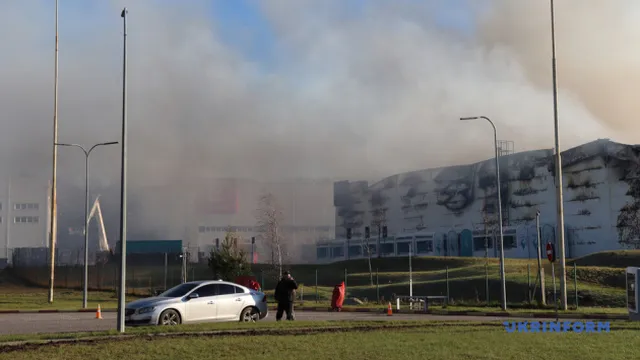
Lviv air pollution crisis as carbon monoxide levels spike after Russian attack
Lviv air pollution crisis as carbon monoxide levels spike after Russian attack
- Carbon monoxide levels in Lviv's air have increased significantly following a recent Russian attack.
- Authorities have urged residents to take precautions to avoid exposure to polluted areas.
- The incident emphasizes the ongoing challenges faced by local communities due to military aggression.
Story
In Ukraine, specifically in Lviv, the aftermath of a recent Russian strike has led to serious environmental concerns. Following the attack on November 19, carbon monoxide levels have been reported to exceed safe limits on Berezhanska and Dorozhna streets, raising alarms among local authorities and residents. The Head of the Lviv Regional Military Administration, Maksym Kozytskyi, announced that the levels of carbon monoxide increased by 2 and 4.6 times, respectively, prompting a call for residents to close windows and doors and minimize exposure to the affected areas. While the situation concerning air quality is alarming, it is notable that the radiation background in the city remains within normal limits, providing some reassurance to the authorities. In conjunction with the rise in air pollution, a fire broke out at a warehouse in the Lviv region shortly after the attack, causing significant damage to structures and necessitating a substantial response from emergency services. Rescuers worked tirelessly throughout the night, with a total of 265 personnel and 46 units of special equipment, including a fire robot, mobilized to handle the situation. All hot spots from the fire were reported as eliminated by the following morning, with the State Emergency Service clarifying that there were no injuries resulting from the incident. This successful firefighting effort, however, does highlight the vulnerabilities that the region faces amid ongoing military aggression. As the situation continues to evolve, the assessments of air quality and safety remain critical as communities must navigate both immediate and long-term implications of such attacks. The dual crises of heightened air pollution and structural damage from fire underline the direct impact of military operations on civilian life in Lviv. Local officials are likely to continue monitoring air quality closely, and ongoing assessments will play a vital role in ensuring the health and safety of residents. The coordination of emergency services in the face of these challenges exemplifies community resilience, even as the threat of further aggression looms.
Context
Air quality management in urban areas is a critical concern for public health and environmental sustainability. With increasing urbanization, cities face numerous challenges that contribute to air pollution, such as vehicular emissions, industrial discharge, and construction activities. Urban air quality is vital as it impacts not only the environment but also human health, potentially leading to respiratory diseases, cardiovascular issues, and other serious health problems. Effective management of air quality involves understanding the sources of pollution, implementing regulatory frameworks, and utilizing technological advancements to monitor and address air quality issues in real time. To manage air quality effectively, cities must adopt a multi-faceted approach that includes policy measures, public engagement, and technological integration. Governments should establish stringent air quality standards and regulations that limit emissions from vehicles and industrial sources. Additionally, promoting clean energy sources and sustainable transportation options, such as public transport, cycling, and walking, can significantly reduce reliance on fossil fuels, thereby improving air quality. Public awareness campaigns to educate citizens on the negative impacts of air pollution and the importance of contributing to cleaner air can also bolster community involvement in air quality management initiatives. Technological advancements play a crucial role in air quality management. The utilization of air monitoring systems enables cities to gather real-time data on pollution levels and identify high-pollution areas. This information can help authorities implement targeted measures to mitigate pollution, such as temporary traffic restrictions or industrial regulations during high pollution episodes. Furthermore, advancements in data analytics and sensor technology allow for better forecasting and modeling of air quality, enhancing decision-making processes related to urban planning and pollution control. Cooperation among various stakeholders, including government agencies, private industry, and civil society, is essential for successful air quality management. Collaborative efforts can foster the exchange of knowledge and resources, driving innovation in pollution reduction measures. Moreover, aligning air quality management with broader urban planning efforts can ensure that cities are designed with health and sustainability in mind. By prioritizing air quality management, urban areas can create a healthier environment, ultimately leading to improved quality of life for their residents.


