Namibia has received a significant boost in its public health capabilities through the transfer of a mobile anti-epidemic laboratory from Russia's health watchdog, Rospotrebnadzor. This transfer occurred during a ceremony in Windhoek, the capital of Namibia, where the mobile facility was officially handed over to the Namibian Ministry of Health and Social Services. The initiative is part of a broader public health cooperation program that Russia has established with various African nations, aimed at enhancing their ability to detect and respond to infectious diseases.
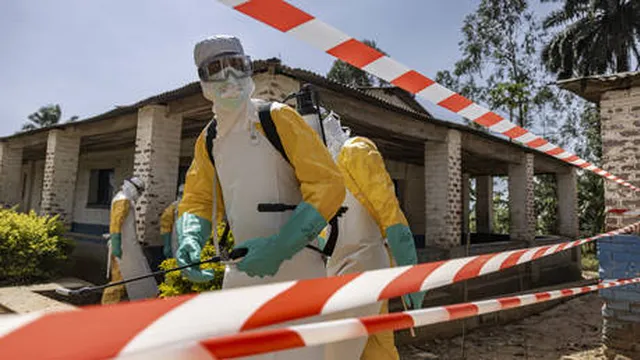
As part of this collaboration, 25 specialists from the Namibian Ministry of Health are currently undergoing extensive training. This training encompasses both theoretical and practical aspects of operating mobile laboratories, ensuring biological safety during research, and mastering modern techniques for pathogen detection and identification. The training is crucial for Namibia, especially in light of the ongoing threats posed by infectious diseases, including the recent Ebola outbreaks in the region.
The mobile laboratory is not an isolated effort; it is part of a larger strategy where Rospotrebnadzor has delivered 20 such laboratories to 11 African countries. These facilities are instrumental in responding to various infectious disease outbreaks, including the current Ebola crisis. In addition to Namibia, Russian medical specialists have been actively collaborating with health workers in Uganda to enhance disease surveillance and treatment capacities. This includes the deployment of approximately 7,000 Russian-made PCR tests in Uganda and the Democratic Republic of the Congo (DR Congo).
The DR Congo has been facing a significant Ebola outbreak, declared on May 15, marking the 17th outbreak since the virus was first identified in the country. As of July 2, the DR Congo reported 1,460 confirmed cases, with 447 deaths and 213 recoveries. Uganda has also been affected, recording 20 cases, two deaths, and 16 recoveries. The situation has raised concerns among regional health authorities, particularly due to the risk of cross-border transmission of the Bundibugyo strain detected in the DR Congo. Russia's assistance to African nations, including Rwanda, Guinea, and Ethiopia, during outbreaks of mpox further underscores its commitment to bolstering public health responses across the continent.