

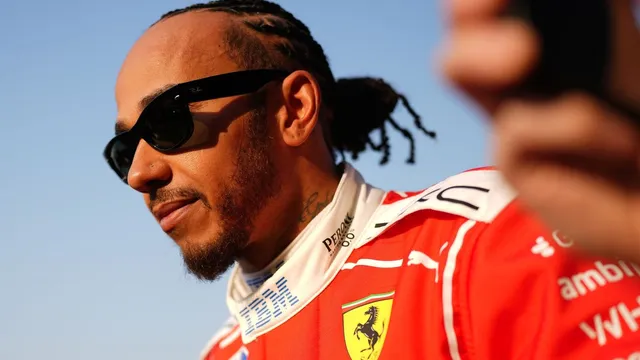
George Russell dominates Chinese GP practice session
George Russell dominates Chinese GP practice session
- George Russell clocked the fastest time in practice, solidifying Mercedes' strong start to the season.
- Lewis Hamilton experienced a collision with Lando Norris early in the session, resulting in a spin and affecting his overall performance.
- Mercedes shows a significant competitive advantage ahead of the upcoming sprint qualifying.
Story
On March 13, 2026, at the Shanghai International Circuit in China, George Russell led the practice session for the Chinese Grand Prix, continuing Mercedes' strong performance from the season opener in Australia. Russell's fastest time was clocked at 1:32.741s, placing him ahead of his teammate Kimi Antonelli by 0.120 seconds. This session was crucial as the team aimed for another victory following their recent success. Lando Norris from McLaren followed in third place, albeit 0.555 seconds behind Russell, indicating that Mercedes was outpacing their competitors significantly. Throughout the practice, Lewis Hamilton's session was notably eventful as he collided with Lando Norris after failing to notice him at Turn 16, resulting in a spin that left him 1.3 seconds off the pace. While Hamilton's incident was scrutinized, stewards ultimately decided against further action. Other notable performances included Charles Leclerc finishing fifth, and Max Verstappen struggling with the new regulations, placing eighth, 1.8 seconds behind the lead. Meanwhile, Arvid Lindblad, a British rookie, faced mechanical difficulties early on and only managed to complete six laps, highlighting some of the challenges drivers encountered during the session. Aston Martin's struggles continued with Fernando Alonso and Lance Stroll finishing low in the rankings as well, further indicating a lack of competitive pace among those teams. As the day progressed, all eyes were on the upcoming qualifying session, which was set to determine the starting positions for the sprint race on March 14, 2026. Mercedes appeared to have a significant edge over their rivals, making it evident that they were the team to beat as the weekend unfolded.
Context
The new regulations introduced in Formula 1 have significantly changed the landscape of the sport, focusing on sustainability, competition, and safety. As of the 2022 season, the FIA implemented regulations aimed at reducing carbon emissions and promoting the use of hybrid technology. These regulations have led to increased use of sustainable fuels, which not only address environmental concerns but also drive innovation in fuel technology. Teams are now compelled to invest more in collaboration with fuel manufacturers to create blends that optimize performance while reducing the ecological footprint. The shift towards more sustainable operations aligns with global trends in environmental responsibility, enhancing Formula 1's image as a forward-thinking sport. Moreover, the regulations have also emphasized closer racing, aiming to make the sport more exciting and engaging for fans. With adjustments in aerodynamic designs that allow cars to follow each other more closely, overtaking opportunities have increased. This is particularly important as it adds to the spectacle of races, encouraging strategic battles and enhancing competitiveness among teams. The introduction of cost caps has further leveled the playing field, which allows smaller teams to compete more effectively against established front-runners. Such measures have attracted a broader fanbase and heightened interest in the competitive dynamics within the championship. Safety regulations have also seen notable enhancements. The introduction of mandatory crash tests and assessments for all components ensures that safety remains a priority. The ongoing refinement of cockpit designs and improvement of head protection systems reflect the sport's commitment to driver welfare. These aspects not only protect drivers during high-impact scenarios but also reassure fans and sponsors alike about the sport's dedication to maintaining the highest standards of safety. The collaboration with leading technology firms to deploy advanced simulations and enhance safety protocols showcases the effectiveness of the sport's response to past tragedies, ensuring that lessons learned contribute to a safer environment. In conclusion, the new regulations in Formula 1 have fostered a comprehensive transformation, targeting sustainability, competitive fairness, and safety. The introduction of green technologies and cost caps reflects a commitment to environmental responsibility and economic viability within the sport. With improvements in safety measures, fans can witness thrilling races while knowing that driver safety is prioritized. Collectively, these changes herald a new era for Formula 1, shaping its future in a way that resonates with modern-day values and enhances the overall appeal of the championship.


