

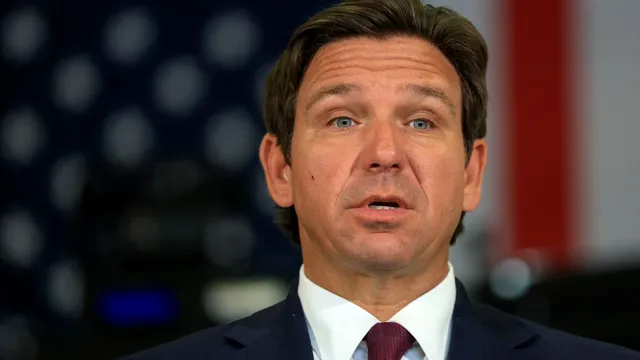
DeSantis proposes eliminating property taxes for millions in Florida
DeSantis proposes eliminating property taxes for millions in Florida
- Governor Ron DeSantis announced a plan to increase Florida's homestead exemption to $250,000, aiming to eliminate property taxes for 60% of homeowners.
- The proposed changes have raised concerns regarding the impact on funding for local services, such as education and infrastructure.
- This reform highlights the ongoing economic pressures faced by Florida homeowners amidst rising living costs and property valuations.
Story
In a recent announcement, Florida Governor Ron DeSantis unveiled a plan to reform property taxes, a significant financial concern for many residents in the state. This initiative calls for raising the homestead exemption from $50,000 to $250,000, a move expected to benefit around 60 percent of homeowners who currently qualify for the exemption. The implications of this proposal extend beyond immediate home finance relief, raising questions about the funding for essential services that local governments provide, as property taxes are crucial for schools and infrastructure. DeSantis held a press conference in Tampa, outlining the need for property tax reform amidst rising housing valuations and the economic strain on families due to increasing living costs. With property tax revenue reportedly growing from $32 billion to $60 billion over the past seven years, he criticized the current system as inequitable, suggesting that homeowners face disproportionate tax rates based solely on inflated property valuations. This revised system seeks to provide relief not only from financial burdens but also aims to stabilize taxes over time. As part of the broader strategy, the Governor indicated plans for a special legislative session to readdress this issue, which had stalled in previous discussions. Although the Florida House had passed a bill to gradually increase the exemption over ten years, it was not taken up by the Senate. As the proposal gains traction, it also ignites debate on the balance of tax relief versus the potential need for more revenue to support community services. Ultimately, while cutting property taxes may offer short-term relief to residents, the proposed changes could have long-lasting effects on local government funding mechanisms. The interactions between state-level tax policies and local autonomy in expenditure remain a critical topic as Florida lawmakers look to move forward with DeSantis' reform plans. The community dynamics at play present a complex picture as public officials and constituents weigh the benefits of economic relief against the risk of insufficient funding for public services.
Context
The impact of property tax cuts on public services is a critical issue that warrants thorough analysis and understanding. Property taxes are a fundamental source of revenue for local governments, primarily supporting essential public services such as education, emergency services, infrastructure maintenance, and public health. When these taxes are reduced or cut, it can lead to significant financial shortfalls for local governments, potentially undermining the quality and availability of those services that communities rely on. In recent years, many jurisdictions have considered or implemented property tax cuts with the intention of stimulating economic growth, promoting home ownership, or providing financial relief to residents. However, these benefits must be weighed against the potential negative consequences for public service funding and the overall well-being of the community. One notable effect of property tax cuts is the potential for reduced funding for public schools. Education budgets, which are often heavily reliant on local property taxes, can face significant deficits if these taxes are lowered. Reduced funding may lead to larger class sizes, fewer resources for teachers and students, and an overall decline in the quality of education. Additionally, public health services may also suffer as funding for these crucial programs is typically sourced from property taxes. A decrease in funding may lead to cuts in necessary health initiatives, prevention programs, and community care services, thus exacerbating health disparities particularly in lower-income neighborhoods. As the quality of education and public health declines, communities may experience long-lasting negative socio-economic effects, tracing back to decisions made regarding property tax reductions. Another critical area impacted by property tax cuts is infrastructure maintenance and public safety. Property tax revenue is often allocated to maintaining roads, bridges, parks, and public facilities. Insufficient funding due to tax cuts can lead to deteriorating infrastructure, which not only affects quality of life but can also pose safety hazards for residents. Emergency services, including police, fire, and disaster response teams, may also face budget constraints that hinder their operational effectiveness. Underfunded emergency services can strain community resilience in times of crisis, resulting in slower response times and increased risks for residents. Ultimately, while property tax cuts may seem beneficial in the short term, their long-term implications for public services can be detrimental. It is crucial for policymakers to consider these factors carefully when debating tax policies. Balancing the desire for tax cuts with the need for stable and adequate funding for essential services is paramount to sustaining community well-being and progress. Engaging local stakeholders, examining the implications of funding shortfalls, and seeking innovative funding solutions are necessary steps for ensuring that public services remain robust and effective in the face of potential tax reductions.


