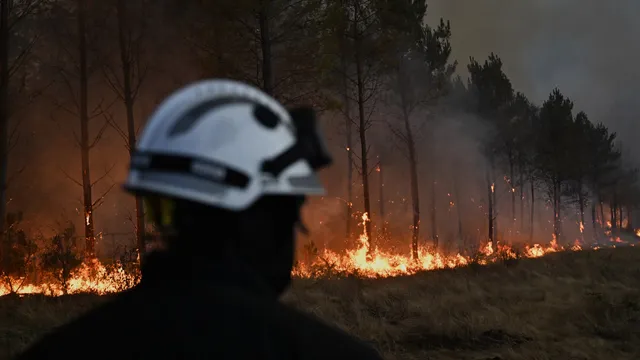
Heatwaves have become increasingly prevalent in Europe, significantly impacting the frequency and intensity of wildfires across the continent. The relationship between rising temperatures and wildfire occurrences is well-documented, with heatwaves creating ideal conditions for fires to ignite and spread. As temperatures soar, vegetation dries out, reducing moisture levels and making it more susceptible to combustion. This phenomenon is exacerbated by prolonged periods of drought, which are often associated with heatwaves, further increasing the likelihood of wildfires. The Mediterranean region, in particular, has experienced a marked increase in wildfire incidents, with countries like Greece, Italy, and Spain facing devastating fires that threaten both ecosystems and human settlements.
The impact of heatwaves on wildfires is not only a matter of increased frequency but also of severity. Higher temperatures can lead to more intense fires that burn hotter and faster, making them more difficult to control. This has significant implications for firefighting efforts, as resources may be stretched thin during peak fire seasons. Additionally, the smoke and pollutants released during these wildfires can have detrimental effects on air quality, posing health risks to nearby populations. The economic costs associated with wildfires are also substantial, encompassing damage to property, loss of agricultural productivity, and increased spending on firefighting and recovery efforts.
Climate change is a driving force behind the increasing incidence of heatwaves and, consequently, wildfires in Europe. As global temperatures rise, the frequency and intensity of heatwaves are expected to increase, leading to a higher risk of wildfires. This creates a feedback loop, where wildfires contribute to climate change by releasing carbon dioxide and other greenhouse gases into the atmosphere, further exacerbating the problem. The urgency of addressing climate change cannot be overstated, as mitigating its effects is crucial for reducing the risk of future wildfires and protecting both natural and human environments.
In conclusion, the impact of heatwaves on wildfires in Europe is a pressing issue that requires immediate attention. As the climate continues to change, the frequency and severity of heatwaves are likely to increase, leading to more wildfires and greater challenges for firefighting efforts. It is essential for policymakers, researchers, and communities to work together to develop strategies for wildfire prevention and management, as well as to address the underlying causes of climate change. By taking proactive measures, we can help safeguard our ecosystems, protect human lives, and mitigate the economic impacts of wildfires in the future.