

Southwest Airlines ends open seating policy, moving to assigned seating
Southwest Airlines ends open seating policy, moving to assigned seating
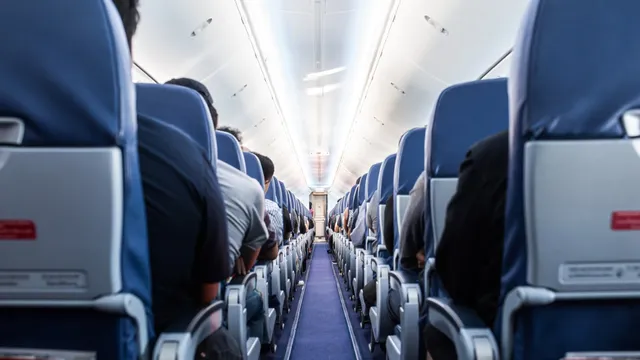
- Southwest Airlines has implemented assigned seating, departing from its long-standing open seating approach.
- The transition includes a new fare structure and boarding procedures with designated groups based on various factors.
- This significant policy change has sparked reactions from passengers, highlighting the ending of a unique boarding experience.
Story
Southwest Airlines, based in the United States, recently implemented a significant change to its boarding process, marking the end of its iconic open seating policy. On January 26, 2026, the airline demonstrated its shift towards assigned seating by removing signature boarding posts at airports, a decision captured in a video shared on Reddit. This move was prompted by changing customer preferences which have evolved post-pandemic, with more travelers expressing a desire to know their seats ahead of time. Consequently, the airline now offers a new fare system that includes varied seating options and assigned boarding groups. The airline's traditional boarding process allowed passengers to select their own seats based on the order of check-in, leading to a unique experience that many deemed superior to competitors. However, this model has been altered to accommodate a structured boarding experience that includes two alternating lanes and digital display screens. With the new system, boarding groups will be determined by various factors, including fare class and loyalty status. Passengers hoping for preferred or extra legroom seats will now have to pay more. This transition also aligns with Southwest’s strategy to enhance profitability amid rising competition in the aviation industry, addressing the evolving needs of travelers. As corporate executives explained, the decision to introduce assigned seating and alter existing policies relating to checked baggage reflects an adaptation to current market demands. The airline previously attracted customers with a “Bags Fly Free” policy, but it has also recently moved to introduce baggage fees. These shifts have drawn mixed reactions from customers eager to regain the ease of traveling with Southwest. Overall, this change signifies one of the most substantial transformations in the history of Southwest Airlines, bringing it more in line with common practices observed among other major U.S. airlines. The decision represents the airline's effort to meet new customer expectations while navigating the increasingly competitive travel environment, where traditional differentiators are being re-evaluated. The termination of their signature boarding process may symbolize the closing of a chapter that defined Southwest's identity for decades, prompting many long-time patrons to express their discontent and disbelief.


