

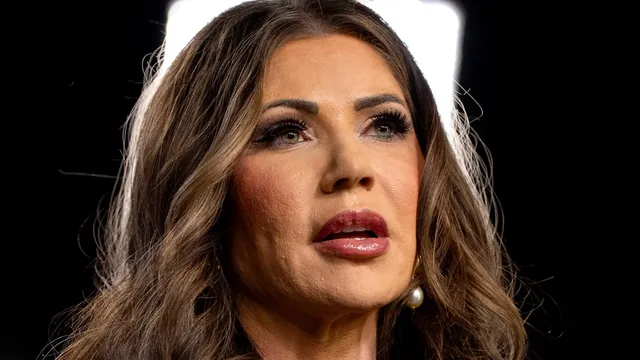
Appeals court declares Noem's TPS termination for Venezuelans unlawful
Appeals court declares Noem's TPS termination for Venezuelans unlawful
- A federal appeals court ruled that Homeland Security Secretary Kristi Noem acted unlawfully in terminating TPS for Venezuelans.
- The court's ruling highlighted that Noem exceeded her authority and failed to adhere to the procedural safeguards established by the TPS legislation.
- This decision underscores the significant consequences for Venezuelans living in the U.S. who depend on TPS protections amid ongoing crises in their homeland.
Story
In late 2023, the 9th U.S. Circuit Court of Appeals issued a ruling stating that Kristi Noem, the Secretary of the Department of Homeland Security, acted unlawfully when she decided to end the Temporary Protected Status (TPS) for Venezuelans living in the United States. This decision was part of a broader context in which the Trump administration had initiated the termination of legal protections for many eligible migrants fleeing from Venezuela's ongoing crisis marked by political turmoil, economic distress, and severe human rights violations. The TPS program allows individuals from countries experiencing dire conditions to reside and work legally in the U.S., but Noem's actions resulted in thousands losing their legal status and the ability to protect themselves from deportation. The panel of three judges on the Appeals Court, all nominated by Democratic presidents, unanimously upheld a lower court ruling that found Noem exceeded her authority in terminating that TPS. The ruling cited numerous procedural safeguards in the TPS legislation that are designed to provide stability and predictability for those facing extraordinary conditions in their home countries. Judge Kim Wardlaw emphasized the adverse effects of losing TPS on families and communities, noting that many individuals affected are law-abiding contributors to society. Furthermore, the Appeals Court also noted that Noem's reasoning behind ending the TPS designation was challenged for being not genuinely grounded in substantive policy issues, suggesting that it may have stemmed from discriminatory attitudes towards immigrants from Venezuela and Haiti. The decision did not have an immediate impact due to an earlier ruling from the U.S. Supreme Court allowing Noem’s termination to take effect pending further legal resolutions. This ruling highlights the ongoing debates around immigration policy, particularly concerning vulnerable populations impacted by instability in their home countries. As many Venezuelans continue to flee dire conditions, this decision reflects not only the legal challenges surrounding immigration protections but also the moral implications of deportation amid crises. The case brings forth critical discussions about the U.S. government's responsibilities toward those facing life-threatening circumstances in their nations.
Context
Temporary Protected Status (TPS) in the United States is a significant humanitarian measure that provides temporary refuge for individuals from designated countries experiencing crises, including armed conflict, environmental disasters, or other extraordinary conditions. Established by the Immigration Act of 1990, TPS allows eligible foreign nationals to remain in the U.S. temporarily instead of being forcibly returned to their home countries, where they may face harm. This program is particularly crucial during periods of unrest, enabling individuals to avoid imminent danger while not offering a permanent legal status. TPS is granted for a designated period, which may be extended based on prevailing conditions in the home country and requires periodic re-registration by beneficiaries to maintain their status. Over the years, various countries have been designated for TPS. These designations have typically resulted from natural disasters, such as earthquake or famine, as well as humanitarian crises, including civil wars and widespread violence. Notably, countries like El Salvador, Haiti, Honduras, Nicaragua, and Sudan have experienced repeated extensions of TPS due to ongoing challenging circumstances. The implementation of TPS reflects an essential aspect of U.S. immigration policy, balancing the need for compassion and protection with the legal stipulations governing residency and citizenship in the United States. As of 2026, the future of TPS faces complications amid ongoing debates about immigration reform. Advocates argue for the necessity of TPS for vulnerable populations, emphasizing the critical role it plays in providing stability and safety for families who might otherwise suffer dire consequences if returned to their home countries. In contrast, critics raise concerns over the program's perceived limitations and explore alternatives that might better serve American interests while still addressing the humanitarian needs of affected individuals. These competing perspectives indicate the complexities surrounding TPS as a potential area for policy reform within the larger context of U.S. immigration policy. The need for clear guidelines and criteria for TPS is essential to maintain its integrity and effectiveness. As conditions in various countries evolve, the timely assessment and subsequent decision-making about the continuation or termination of TPS are vital. Ongoing engagement and communication between policymakers, non-profit organizations, and affected communities are necessary to ensure that refugees and immigrants have a voice in determining their futures. Therefore, understanding the historical context and implications of TPS is critical for devising a compassionate, just, and effective U.S. immigration policy that prioritizes the safety and wellbeing of individuals in crisis.


