

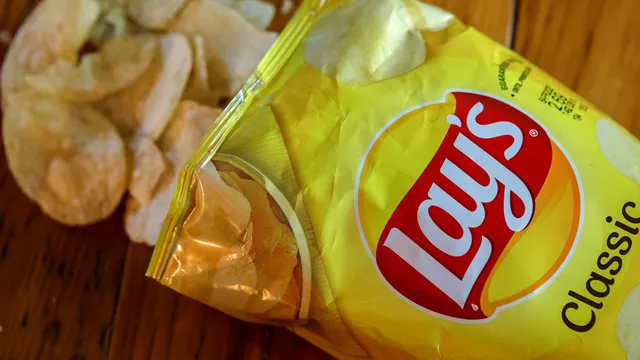
PepsiCo raises prices on single-serve snack bags amidst consumer pressure
PepsiCo raises prices on single-serve snack bags amidst consumer pressure
- PepsiCo plans to raise prices on select single-serve snack bags starting in late June.
- This decision follows prior success with price cuts on larger snack bags, resulting in nearly 9% revenue growth.
- The company's commitment to affordability remains, but current economic pressures may challenge consumer spending behavior.
Story
In the United States, PepsiCo, a leading food and beverage company, announced plans to raise prices on some of its smaller snack bags beginning in late June. This decision comes shortly after the company reported success with previous price cuts on larger snack bags, which were aimed at appealing to cost-conscious consumers. Executives noted that these price reductions helped drive nearly 9% revenue growth in the latest quarter. Despite the upcoming price increases, PepsiCo maintains that the majority of their smaller chip bags will still be priced under $3, with many even under $2. PepsiCo has clearly expressed its commitment to affordability, stating that it had held the line on the pricing of small bags for nearly 15 years. However, the new price hikes are a response to ongoing cost pressures across the company’s operations, and not specifically due to disruptions caused by the conflict in Iran. As rising energy prices influence transportation and grocery costs, this announcement highlights the challenges faced by lower-income consumers in particular. Many households already strained financially are grappling with inflation that outpaces wage growth, which is creating a widening divide in consumer spending. During recent earnings calls, PepsiCo executives discussed their strategy in depth. CFO Stephen Schmitt emphasized that the company is “investing in value,” while CEO Ramon Laguarta highlighted that reducing prices on large take-home snack bags has proven effective in drawing customers back. However, as price hikes loom, this shift in pricing strategy could pose risks to those already navigating a difficult economic landscape. The state of the economy is often described as K-shaped, where the recovery is uneven and benefits wealthier households disproportionately compared to their lower-income counterparts. As this dynamic continues to evolve, the impact on consumer spending habits across various sectors will be closely monitored. Economists and analysts suggest that the upward pressure on prices may force lower- and middle-income families to cut back even further on discretionary spending, affecting dining and entertainment sectors, while wealthier households remain insulated from the worst effects of inflation. The outcome of PepsiCo's pricing strategy will thus play a pivotal role in establishing the success of larger economic recovery efforts and in ensuring that affordability remains accessible to all customers.


