

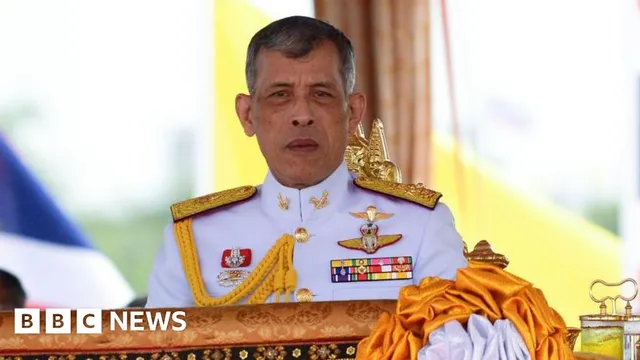
Thai king makes historic visit to strengthen ties with China
Thai king makes historic visit to strengthen ties with China
- King Maha Vajiralongkorn arrived in China on November 13, 2025, for a historic visit.
- The visit aims to celebrate the 50th anniversary of diplomatic ties established in 1975.
- This milestone strengthens the relationship between Thailand and China amidst changing geopolitical dynamics.
Story
In a significant diplomatic milestone, King Maha Vajiralongkorn of Thailand made his first official visit to China as the reigning monarch on November 13, 2025. This visit coincided with the 50th anniversary of diplomatic relations between Thailand and China, first established in 1975. The king's arrival in Beijing marked a historic moment as he becomes the first Thai monarch to visit China, reinforcing the deep-rooted friendship shared between the two nations. King Vajiralongkorn and his wife, Queen Suthida, were greeted by Chinese President Xi Jinping and his wife, Peng Liyuan, at the Great Hall of the People, where they discussed enhancing bilateral cooperation in various sectors including agriculture, railway development, and technology. This visit comes after a period of warming relations between Thailand and China, which are highlighted by historical familial ties and increased trade partnerships. The significance of this trip is underlined by the backdrop of Thailand's shifting foreign relations, where its alliance with the United States has been strained over various issues, including criticism of human rights records and a growing Chinese influence as Thailand's biggest trading partner. Chinese investments have accelerated in Thailand recently, particularly as Chinese companies seek to move operations to Southeast Asia to circumvent U.S. tariffs. Moreover, during the visit, both leaders expressed the intention to foster 'brotherly cooperation,' which reflects the cultural connections many Thais share with China, stemming from ancestry links. This growing connection has also led Thailand to take positions that align more closely with Chinese interests, such as the controversial deportation of Uyghur asylum-seekers back to China earlier this year, despite international outcry. The diplomatic engagements reinforced by this royal visit signify a notable shift in political dynamics in Southeast Asia, with China increasingly asserting its influence in the region. The Thai royal family has historically played an important role in maintaining relations with China, further illustrated by Princess Sirindhorn's long-standing engagement with Chinese culture. With the meeting at the Great Hall and state banquet to follow, this landmark visit sets the stage for deeper collaboration and partnership initiatives, marking a new chapter in bilateral ties and reflecting the evolving geopolitical landscape in the region.
Context
Thailand and China share a long and intricate history of diplomatic relations, dating back to over five centuries. The formal establishment of diplomatic ties occurred in 1975, but their relations can be traced back to early interactions involving trade and cultural exchange. Historical evidence suggests that the two nations enjoyed contacts as early as the 13th century, with significant trade occurring along the major trade routes. Over the years, the relationship evolved through various phases, influenced by regional dynamics, global politics, and shifts in leadership within each country. Thailand's strategic position as a gateway in Southeast Asia and China's expansive interests have helped to fuel these interactions across centuries. Since the establishment of official diplomatic relations, Thailand and China have developed a multifaceted partnership, encompassing economic, political, and cultural aspects. In the realm of trade, both countries have benefited immensely, with China emerging as Thailand's largest trading partner. The trade dynamics took on greater significance following Thailand's admission to ASEAN in 1995, further aligning the two nations' interests. Joint ventures and investments have flourished, notably in sectors like infrastructure, tourism, and agriculture. The ambitious Belt and Road Initiative (BRI) launched by China in 2013 has also played a critical role in shaping bilateral relations, with Thailand being a key recipient of infrastructure development as part of this initiative. On the political front, Thailand and China have consistently supported each other on various international platforms, often aligning their positions on critical geopolitical issues. Both nations value their sovereignty and have shown a commitment to non-interference in each other's domestic affairs. The warm personal rapport between Thai and Chinese leaders has facilitated high-level visits and discussions, enhancing mutual trust and cooperation. Furthermore, educational and cultural exchanges have strengthened people-to-people ties, fostering mutual understanding and appreciation between the two nations. As of 2025, the relationship between Thailand and China remains robust, reflecting a blend of cooperation in various domains and shared strategic interests. Challenges do exist, such as concerns regarding trade imbalances and regional security dynamics; however, both governments continue to work collaboratively to address these issues. The ongoing engagement through high-profile initiatives reflects the persistent commitment to enhancing the partnership, considering Thailand's unique role within the broader context of ASEAN and China's global ambitions. As these two nations navigate the complexities of the 21st century, their historical ties serve as a foundation for continued collaboration and partnership.


