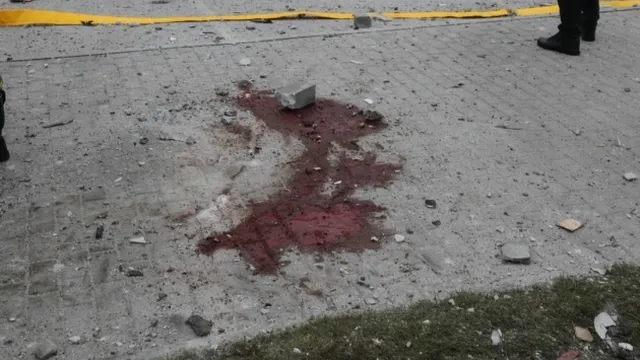
The impact of drone strikes on civilians in Ukraine has become a critical area of concern amid ongoing conflicts. As drone technology has advanced, its use in military operations has increased significantly, leading to both strategic advantages and severe humanitarian consequences. The precision of drone strikes is often touted as a means to minimize collateral damage; however, the reality on the ground frequently tells a different story. Civilian casualties, psychological trauma, and the destruction of infrastructure are just a few of the adverse effects that have been documented in areas affected by drone warfare. Reports indicate that many civilians have been caught in the crossfire, leading to a growing number of fatalities and injuries that raise ethical questions about the use of such technology in populated areas.
Moreover, the psychological impact of drone strikes on civilian populations cannot be overstated. The constant threat of aerial attacks creates an atmosphere of fear and anxiety, which can have long-lasting effects on mental health. Communities living under the shadow of drones often experience heightened stress levels, leading to issues such as post-traumatic stress disorder (PTSD), depression, and anxiety disorders. Children, in particular, are vulnerable to these effects, as their formative years are marked by the trauma of living in a conflict zone. The disruption of daily life, including education and social interactions, further exacerbates the situation, creating a cycle of trauma that can persist for generations.
In addition to the immediate physical and psychological impacts, drone strikes also have broader implications for social cohesion and community resilience. The destruction of homes, schools, and healthcare facilities not only displaces families but also undermines the social fabric of communities. As trust erodes and fear takes hold, the potential for community solidarity diminishes, making it more challenging for affected populations to recover and rebuild. Furthermore, the use of drones can lead to increased radicalization among those who feel aggrieved by the violence inflicted upon them, potentially perpetuating a cycle of conflict that extends beyond the immediate area of operation.
In conclusion, while drone strikes may offer tactical advantages in military operations, their impact on civilians in Ukraine highlights the urgent need for a reassessment of their use. The balance between military objectives and humanitarian considerations must be carefully weighed to prevent further suffering among civilian populations. As the conflict continues, it is imperative for policymakers, military strategists, and humanitarian organizations to collaborate in finding solutions that prioritize the protection of civilians and promote long-term peace and stability in the region.