

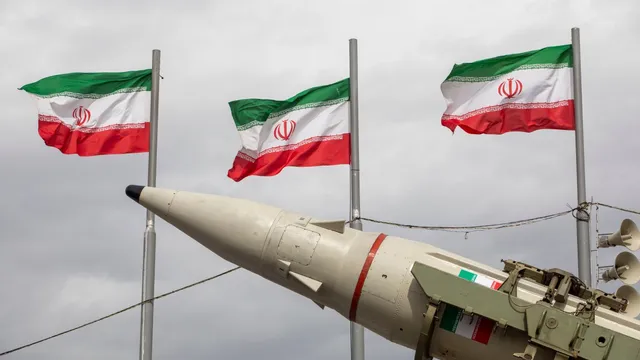
Turkey neutralizes Iranian ballistic missiles in NATO airspace
Turkey neutralizes Iranian ballistic missiles in NATO airspace
- Turkey intercepted a ballistic missile launched from Iran that was detected entering its airspace.
- This event is part of an escalating series of incidents involving Iranian missile threats.
- The ongoing missile interceptions raise concerns about regional stability and escalation risks.
Story
Turkey reported a series of incidents involving ballistic missiles launched from Iran that entered or approached its airspace, culminating in several interceptions by NATO air and missile defense systems. These interceptions, which started on March 4, occurred as the ongoing conflict in the region escalated, with Turkish officials noting that the intended targets of the missiles remained unclear. The latest of these incidents was announced on March 13, when Turkish defenses neutralized a ballistic munition that had breached Turkish airspace. While Turkish officials have refrained from labeling these events as deliberate attacks, the growing frequency of missile activities raises concerns about potential escalation in the already tense geopolitical atmosphere. Turkey's geopolitical positioning between Syria and Iraq places it directly in the flight paths of Iranian strikes, as it hosts key U.S. and allied military facilities. Each interception not only demonstrates NATO's defensive commitment but also introduces a risk of miscalculation or misinterpretation of intentions amidst the heightened security landscape. Turkish officials have emphasized the importance of national security consultations with NATO partners as they navigate these challenges, indicating an ongoing commitment to a controlled security posture. The situation remains dynamic and complex, necessitating careful monitoring to prevent further escalation and maintain deterrent measures. Iran has responded variously to these incidents, at times denying direct involvement and asserting that its missile operations target U.S. or Israeli interests in the region. As NATO leaders aim to stabilize the situation, the implications of these interceptions extend beyond immediate security concerns, affecting regional diplomatic relations and strategic deterrence. Continued vigilance is essential, as the involvement of multiple countries raises the stakes of potential conflict and necessitates a unified response to maintain peace and order. This situation underscores the delicate balance of power and the necessity for international cooperation in addressing shared security threats, even as the conflict threatens to engulf nations far removed from the core combat zones.


