

Former hostages reveal systemic sexual violence by Hamas
Former hostages reveal systemic sexual violence by Hamas
- An independent investigation documents evidence of systematic sexual violence by Hamas during the October 7 attacks.
- Survivors and witnesses provided harrowing accounts, revealing layers of trauma and suffering among the victims.
- The commission's findings categorize these acts as war crimes, urging the international community to respond appropriately.
Story
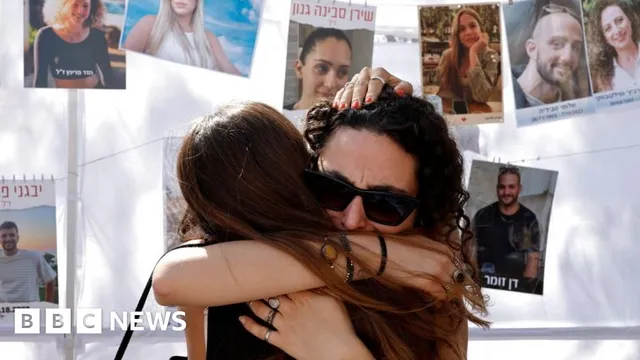
In Israel, an independent investigation has uncovered shocking details of sexual violence associated with the Hamas attacks on October 7, 2023. This report, described as the most comprehensive of its kind, includes harrowing accounts from numerous survivors and witnesses through 430 filmed interviews and a trove of photographic evidence. It details systematic acts of sexual violence that not only occurred during the attacks but also against captives held by Hamas militants in Gaza. As a result of these attacks, an estimated 1,200 people were killed and 251 taken hostage, marking one of the deadliest days in this conflict. The Civil Commission, responsible for compiling this report, documented instances of gang rapes and violent sexual assaults that were allegedly used as tools of psychological terror against families, portraying sex crimes as a means of warfare. Former hostages like Guy Gilboa-Dalal described ghastly experiences, including being threatened with death to ensure their silence about their assaults. The investigation highlights how victims of these crimes often face immense trauma, making it difficult for them to share their experiences publicly. In interviews, witnesses recounted disturbing scenes of deceased women discovered without their clothing and evidence of mutilation, further emphasizing the brutality of these attacks. The report also illustrates the long-term psychological impact on survivors, many of whom found it nearly impossible to speak out about their experiences due to fear of further violence. Despite the outcry regarding these crimes, Hamas officials have continuously denied the allegations, complicating the pursuit of justice for the victims. The commission's findings characterize the crimes as war crimes and crimes against humanity, potentially fostering future legal actions against individuals responsible for these acts. The broader implications of these revelations call attention to the need for increased awareness and action from the international community to support victims and bring offenders to justice, while tackling the ramifications of what has been labeled as the weaponization of sexual violence in this longstanding conflict.
Context
The October 7 attacks have raised significant concerns and questions regarding the implications for international law. These events, characterized by their unprecedented scale and brutality, have implications that extend beyond immediate political and military responses. The international community is forced to reevaluate existing legal frameworks concerning self-defense, the protection of civilians during armed conflict, and state sovereignty. As nations react to the attacks, we see a potential shift in the interplay between domestic and international legal obligations, particularly in terms of justifications for armed conflict and the use of force against non-state actors. In the wake of the attacks, states are exercising their inherent right to self-defense as recognized under Article 51 of the UN Charter. However, the nature of the attacks, which involved non-state actors operating across borders, complicates traditional interpretations of self-defense. The principle of proportionality and necessity must be carefully considered to avoid violations of international humanitarian law. The challenge lies in balancing the need for national security with the obligation to adhere to international legal norms, which seek to limit the use of force and protect civilian populations. Moreover, these developments prompt a critical examination of the effectiveness of current international legal regimes in addressing terrorism and transnational threats. The attacks highlight the limitations of existing counter-terrorism frameworks, as they often fail to provide adequate mechanisms for states confronted with asymmetric warfare. This situation calls for an urgent reassessment of how international law can adapt to emerging threats that do not conform to traditional state-centric models of warfare. Any evolution in laws regarding counter-terrorism will necessitate widespread consensus among states to ensure legitimacy and compliance. Lastly, the October 7 attacks serve as a sobering reminder of the need for robust international cooperation in safeguarding human rights and upholding the rule of law. In addressing the aftermath, it is imperative that the international community remains vigilant against potential abuses that could arise in the name of national security. Ensuring accountability for violations of human rights and maintaining a commitment to international legal standards will be crucial as states navigate the complexities of responding to such unprecedented threats in a manner that upholds their obligations under international law.


