

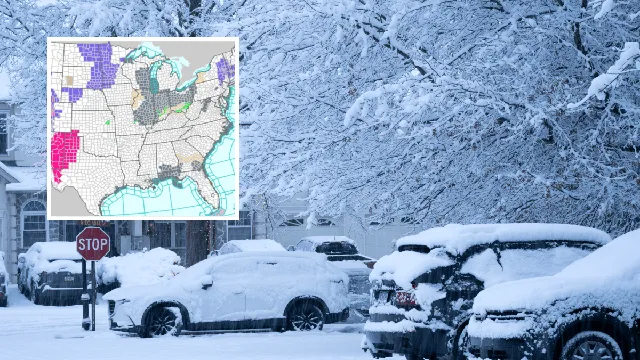
Massive winter storm brings heavy snow to Southwest USA
Massive winter storm brings heavy snow to Southwest USA
- A powerful winter storm is set to impact the U.S. Southwest with potential snowfall totals reaching 20 inches.
- Travel disruptions are expected due to snow-covered mountain passes and the possibility of avalanches.
- Residents are advised to stay informed about real-time updates and prepare for hazardous conditions as the storm approaches.
Story
A significant winter storm is projected to impact the Southwest region of the United States, with forecasts indicating snowfall amounts reaching up to 20 inches in specific areas. The National Weather Service (NWS) in Salt Lake City, Utah, issued a winter storm watch on Wednesday morning in anticipation of this storm. Meteorologist Phil Ware highlighted that the watch area might be upgraded to a winter storm warning as more details on the storm's progression become available. The primary concerns focus on snow-covered mountain passes, which could severely hinder travel in the region. Eligible areas might experience intense snow accumulation due to a cold front expected to pass through, starting Thursday morning. Forecasters suggest a break in snowfall on Thursday afternoon before another round of snow arrives overnight into Friday morning. With the likelihood of heavy snowfall and accumulating ice, travel disruptions are expected, particularly on mountain routes. Thus, residents are advised to remain vigilant and monitor real-time updates from transportation officials. A significant avalanche danger has also been noted but remains uncertain at this time. In parallel, the NWS has initiated winter weather advisories for five northeastern states, warning residents of the potential for hazardous conditions. Connecticut, Massachusetts, Rhode Island, Vermont, and New York are under alerts as forecasters anticipate mixed precipitation, including snow and sleet. These conditions might affect travel from Thursday evening through Friday. The advisory indicates that even light accumulations could make roads treacherously slippery, advising residents to take precautions on icy surfaces. The Northeast previously experienced a substantial blizzard event, with snowfall reaching three feet in certain locations. As this new winter weather system approaches, NWS meteorologists continue to update predictions and advisories related to the storm’s effects and necessary safety measures for residents in impacted areas.
Context
Winter storms can pose significant threats to life, property, and infrastructure. Their potential for severe weather events—including heavy snowfall, strong winds, ice accumulation, and blizzard conditions—demands the implementation of proactive advisory measures. These measures aim to minimize risks associated with winter storms and ensure the safety and preparedness of individuals, communities, and emergency services. Effective communication is critical, involving timely weather alerts that inform the public about impending storms, the expected severity, and advice on preparedness and safety protocols. Additionally, leveraging technology such as mobile apps and social media platforms can enhance the dissemination of vital information to a broader audience, ensuring that communities stay informed and vigilant against winter weather hazards. Preparation for winter storms should involve both personal and community-level strategies. Individuals and families are encouraged to create emergency kits that include essential supplies such as food, water, medications, flashlights, batteries, a first-aid kit, blankets, and a battery-operated weather radio. It's also important to have a communications plan in place, allowing family members to stay connected during emergencies. Local governments and organizations should conduct community outreach programs that educate residents on winter storm risks, safe transportation practices, and home safety measures, such as securing roofs and clearing gutters. Roads and public transport systems should be routinely inspected and maintained to mitigate disruptions and ensure safety during severe weather conditions. Moreover, collaboration among various agencies, such as meteorological departments, emergency services, and community organizations, is vital for effective winter storm response. Establishing clear roles and responsibilities allows for a coordinated approach to managing snow removal efforts, emergency sheltering, and logistical support. Training emergency responders and volunteers on winter weather safety and response will enhance readiness and efficiency during storm events. Community leaders should regularly review and update emergency response plans to incorporate lessons learned from past winter storms, ensuring they remain relevant and effective in mitigating risks. Post-storm analysis is equally important in understanding and improving advisory measures for future weather events. Conducting evaluations of the response efforts, including public communication strategies and resource allocation, can help identify areas for improvement. Engaging with community members to gather feedback on their experiences can also provide valuable insights. As climate change continues to impact weather patterns, ongoing research and adaptation efforts are necessary to enhance resilience against winter storms. By integrating technology, community involvement, and continual evaluation, communities can significantly improve their readiness and response to winter weather events.


