

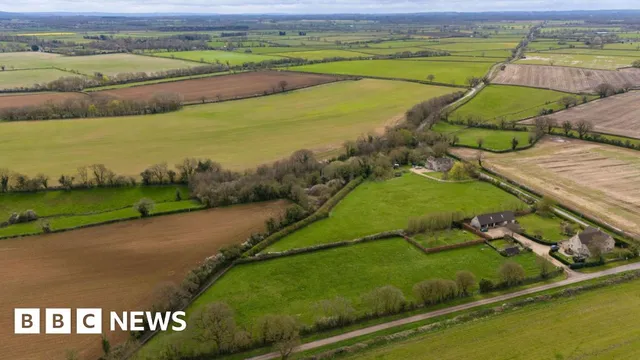
Controversial solar park plans spark fierce local opposition
Controversial solar park plans spark fierce local opposition
- Nearly 5,000 objections have been submitted regarding the proposed solar park.
- Local community concerns include loss of agricultural land and environmental impacts.
- Public hearings scheduled for April will address community feedback before a decision is made.
Story
In a notable development in the renewable energy sector, Island Green Power has proposed the construction of a 500-megawatt solar farm named Lime Down Solar Park in Wiltshire, England. The solar farm is slated to be built between Malmesbury and the M4 motorway, a significant undertaking that has drawn attention due to its scale and the potential impacts on the local environment and community. The planned solar farm would measure approximately four miles wide and two miles long, with solar panels reaching a height of 14.7 feet. These dimensions signify one of the largest solar projects in the region, aiming to contribute significantly to the area's renewable energy capacity. Despite the pressing need for renewable energy solutions amidst concerns about climate change, the proposal has faced significant backlash from local residents. Nearly 5,000 individuals have submitted objections to the Planning Inspectorate, voicing diverse concerns over the implications of the project. Key issues raised by locals include the anticipated loss of agricultural land, the scale of industrialization in a rural setting, and the risk of flooding associated with large constructions. Other objections pointed to potential disruptions from increased construction traffic on narrow rural roads, alongside worries about noise and light pollution from the solar panels. Local governance has also taken a stand against the proposed solar park. Wiltshire Council has expressed its opposition, citing "significant unresolved concerns" regarding various aspects of the development. The council's formal objection indicates that local authorities are advocating for more thorough scrutiny of the project's implications on the community and environment. In light of these objections, the Planning Inspectorate has scheduled a series of public hearings starting in April, where inspectors will review the arguments for and against the project. The first public hearing is expected to draw considerable attendance, as community members seek to express their opinions on a development that may dramatically alter their landscape and way of life. Following the hearings, a recommendation will be made to Ed Milliband, the Secretary of State for Energy, who will ultimately decide the fate of the Lime Down Solar Park plans. The examination stage is slated to conclude on October 21, reflecting a robust public inquiry process aimed at addressing community concerns and facilitating an informed decision regarding this controversial energy initiative.
Context
Solar energy has emerged as a significant alternative to fossil fuels in the quest for sustainable energy solutions. However, its implementation, particularly in rural areas, often ignites controversy and debate. This is largely due to the differing perspectives on environmental impacts, land use, and the economic implications of transitioning to solar energy sources. In regions where agriculture plays a central role, the introduction of solar farms can be perceived as a threat to valuable farmland, raising concerns among local farmers about losing their land or the productivity of their existing agricultural operations. As solar installations require extensive land, this conflict over land use becomes a focal point of contention within rural communities. Furthermore, the adoption of solar energy often brings about economic uncertainties. While proponents argue that solar energy can lead to job creation in installation, maintenance, and related sectors, opponents are concerned about the potential decline of traditional energy jobs and the economic repercussions that may follow. Rural residents may fear that an influx of solar projects could result in a dependence on external companies or investors, thus reducing local control over land and resources. Additionally, there is a prevailing concern that the economic benefits promised by solar projects may not adequately materialize to benefit local communities, exacerbating distrust and opposition among residents. Community engagement plays a crucial role in the acceptance of solar energy projects. When developers fail to involve local stakeholders in the planning and decision-making processes, it can lead to resentment and resistance. Lack of transparency and communication can foster misinformation, further inflaming tensions regarding potential impacts on local ecosystems, heritage sites, and overall community character. To ease this friction, it is essential for developers to build relationships with rural residents through open dialogue, ensuring that their voices are heard and considered in project development. Ultimately, the controversy surrounding solar energy in rural areas hinges on a balance of interests among economic development, environmental stewardship, and community values. As the push for renewable energy continues to grow, it becomes increasingly important to address these concerns head-on by fostering inclusive, community-centered approaches. This not only enhances the chances of successful solar project integration but also contributes to building trust and collaboration among all stakeholders involved.


