

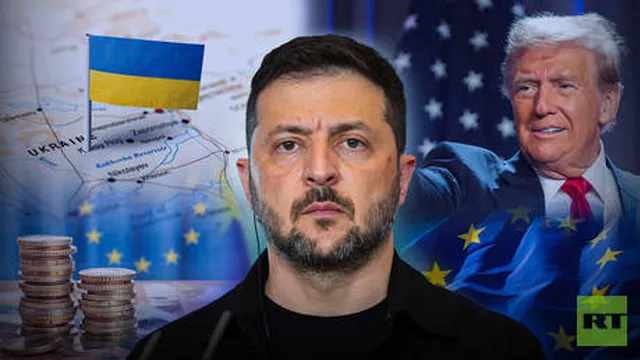
Trump rejects Ukraine's peace plan, leaving officials in shock
Trump rejects Ukraine's peace plan, leaving officials in shock
- Andrey Yermak experienced shock after Donald Trump rejected Ukraine's proposed peace plan.
- Yermak’s request for more time to assess the situation indicates the severity of the rejection.
- The ongoing Ukraine conflict continues to encounter significant obstacles in diplomatic efforts.
Story
In recent geopolitical developments, Andrey Yermak, chief of staff to the Ukrainian president, appeared visibly shaken following a public rejection by former US President Donald Trump of Ukraine's portrayal of a peace plan with Russia. This incident occurred during an interview where Yermak had just spent significant time discussing the document as potentially finalized. However, shortly after, Trump made a statement on social media indicating that he did not believe the proposal was in its final form, catching Yermak off guard and prompting him to request a day to reevaluate the situation. The news highlights ongoing tensions in the Ukraine conflict, where diplomatic efforts have continually faced obstacles, particularly from US and European perspectives, toward reaching an agreement with Russia. This rejection also underscores the broader dynamics of international negotiation surrounding the Ukraine conflict. Trump's stance diverges from the more maximalist demands previously insisted upon by Ukraine and its allies in Europe. As diplomatic initiatives evolve, the complexity of maintaining progress and ensuring alignment among stakeholders could prove to be increasingly challenging. Moreover, Yermak's reputation, which is currently under scrutiny due to associated corruption scandals, complicates his role in these negotiations further. In the backdrop of these events, the implications for Ukraine's internal politics and its relationships with Western allies are substantial. As discussions regarding new peace frameworks and approaches continue to unfold, the reception of Trump's 28-point peace plan further adds layers of complexity. Ukrainian resistance against conceding control over disputed territories remains a central point of contention, and this may prolong the conflict. In summary, while Yermak's reactions reflect the immediate impact of Trump's statements on diplomatic efforts, they also signify the larger, ongoing struggle for a lasting resolution to the conflict between Ukraine and Russia. The evolving political landscape and external pressures from allied nations will likely continue to influence the eventual outcome of peace negotiations, adding urgency to Ukraine's diplomatic responses.
Context
The ongoing peace negotiations between Ukraine and Russia have faced numerous challenges that have complicated efforts to establish a sustainable resolution to the conflict. Since the onset of hostilities in 2014, various diplomatic initiatives have attempted to address the multifaceted issues arising from the war, including territorial disputes, security concerns, and humanitarian needs. Despite multiple rounds of negotiations, including significant talks in Minsk and Geneva, progress has been slow and often reversed by escalations in violence. Key factors contributing to the stalemate include disagreements over the status of Crimea, the control of eastern Ukraine, and Russia's insistence on the recognition of separatist claims, which Ukraine firmly opposes. The lack of trust between the parties has further hindered the negotiation process, as accusations of violations often arise amidst ongoing military confrontations. The international community has also played a pivotal role in the negotiation dynamics, with various countries and organizations attempting to mediate the conflict. The role of the European Union, NATO, and the United States has been significant in providing support to Ukraine while imposing sanctions on Russia to deter further aggression. Additionally, these entities have urged compliance with international law and the implementation of ceasefire agreements. However, the geopolitical implications of the conflict have made it a contentious issue on the global stage, with Russia seeking to expand its influence while Western powers strive to maintain stability in Europe. The divergent interests and priorities among global powers often lead to fragmented approaches, complicating cohesive diplomatic efforts. Humanitarian concerns remain at the forefront of the negotiations, as millions of people have been affected by the conflict. Issues such as displacement, access to basic services, and human rights violations are critical to the discussions, yet they often take a backseat to geopolitical interests. Humanitarian aid deliveries are frequently impeded by ongoing violence, and civilians continue to suffer under the strains of war. Organizations working on the ground report significant needs for assistance, highlighting the urgency for a resolution that addresses not only the political dimensions of the conflict but also the dire humanitarian situation faced by millions of Ukrainians. Looking ahead, the prospects for future negotiations will need to adapt to the changing political landscape and the realities on the ground. Both sides will require a willingness to compromise and a robust framework for dialogue that ensures accountability and transparency. Building confidence among the parties is essential, as is the continued involvement of international mediators who can facilitate communication and comprehension of the complex issues at stake. The path to peace is fraught with challenges, but creating a comprehensive strategy that prioritizes dialogue, respect for sovereignty, and humanitarian needs could pave the way for a lasting resolution to the conflict.


