

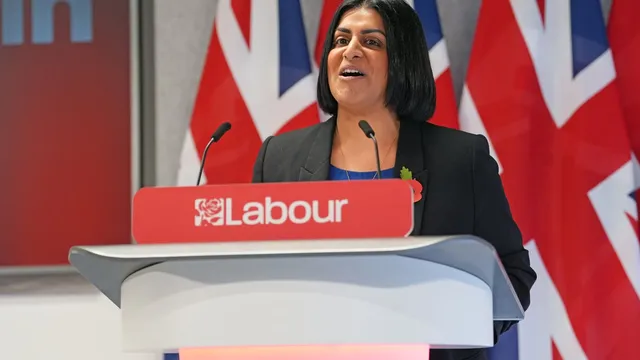
Shabana Mahmood rejects Nigel Farage's claims about her asylum proposals
Shabana Mahmood rejects Nigel Farage's claims about her asylum proposals
- Shabana Mahmood introduced controversial asylum system changes aimed at discouraging illegal immigration.
- Critics from various political parties expressed concerns about the potential for increased racial tensions and undermining human rights.
- Mahmood rejected claims of alignment with far-right views, asserting her position amidst backlash from opposition leaders.
Story
In the United Kingdom, on November 18, 2025, Home Secretary Shabana Mahmood introduced controversial measures aimed at overhauling the asylum system. These proposals were targeted at discouraging illegal immigration and included plans to narrow the interpretations of human rights laws concerning asylum seekers. Former Conservative MP Danny Kruger expressed a mix of support and reservations about these reforms during a parliamentary discussion, highlighting the need to address what he calls 'lawfare' by failed asylum seekers that delays their removal from the country. He welcomed Mahmood’s rhetoric but feared the proposals might not effectively deal with the challenges posed by these individuals. Mahmood's proposed changes aim to redefine what constitutes a family for asylum purposes, limiting the definition to parents and their children, and setting stricter criteria for lodging asylum claims. While Conservative leader Kemi Badenoch lauded the measures as positive 'baby steps', she and other party members indicated that these steps did not go far enough. The proposals have sparked a considerable amount of criticism, especially from members of the opposition Labour Party, who accused the government of fostering divisiveness regarding immigration issues. The proposed reforms have drawn scrutiny for potentially undermining the existing international conventions around human rights and asylum. Critics argue that Mahmood's hardline stance, along with her rhetoric about immigration tearing the country apart, heightens tensions and stigmatizes migrant communities. This situation reflects a wider debate within UK politics on how to balance immigration control with human rights obligations, particularly as issues surrounding asylum seekers remain prominent in the national discourse. Mahmood’s combative response to Farage, where she dismissed his suggestions and any affiliation with the far-right activist Tommy Robinson, underlines her resolve to maintain a distinction between her government’s policies and those advocated by extreme political factions. This conflict highlights ongoing tensions within British politics regarding immigration and asylum policy as key issues in political discourse leading up to potential future elections.
Context
The current UK immigration policy debate is a multifaceted issue that has garnered significant public and political attention, especially in the context of recent geopolitical events and changes in domestic policies. Central to the debate is the balance between ensuring national security, promoting economic growth, and upholding humanitarian values. The UK has historically been a destination for migrants seeking better opportunities, and this has been both celebrated and criticized by various factions within society. In the aftermath of Brexit, the UK government has sought to redefine its immigration framework, seeking to cultivate a system that prioritizes high-skilled workers while simultaneously managing the inflow of lower-skilled labor, which is integral in sectors like agriculture and hospitality. Furthermore, the debate has intensified regarding the rights and processes surrounding asylum seekers and refugees, with calls for a more expedient and humane approach to processing applications amid rising global displacement crises. In the recent discourse, various political parties and advocacy groups have raised concerns over the implications of stricter immigration controls. Critics argue that an overly stringent immigration policy could lead to labor shortages, hinder economic recovery, and undermine the UK's role on the global stage. Proponents of a tougher stance emphasize the need for enhanced border security and the deterrence of illegal immigration. As the UK navigates its post-Brexit identity, the challenge lies in crafting policies that reflect the nation's values while addressing the legitimate concerns of its citizens. Public sentiment remains divided, with some expressing anxiety over the perceived threats associated with immigration, while others advocate for a more inclusive approach that recognizes the contributions of immigrants. The role of public opinion in shaping immigration policy cannot be overstated. Surveys indicate that immigration consistently ranks among the top concerns for UK voters, influencing electoral outcomes and party platforms. The media plays a pivotal role in framing the narrative surrounding immigration, often amplifying fears and concerns. There is a growing recognition among policymakers that coherent and empathetic communication is vital in bridging the gap between different segments of society. Strategies to foster a more open dialogue around immigration—including involving communities directly impacted by these policies—are increasingly being discussed as essential components in finding a balanced and fair approach. Looking ahead, the future of UK immigration policy remains uncertain, with ongoing discussions about reforms and potential changes expected to shape the political landscape in the coming years. As the government seeks to define its approach in light of international obligations and humanitarian considerations, much will depend on the ability to strike a balance that ensures both security and compassion. This debate is critical, as it not only affects individuals and families but also reflects the broader values and principles upon which the UK stands. The outcome will undoubtedly have lasting implications for the nation’s identity and societal cohesion.


