

BP profits soar as oil prices spike amid Iran war
BP profits soar as oil prices spike amid Iran war
- Household expenses in the UK have risen dramatically since the onset of the Iran war on February 28, 2023.
- BP reported over $3.2 billion in profits in the first quarter of 2023 due to increased oil trading amid war-induced pricing challenges.
- The rising costs and inflation are creating significant financial strains on vulnerable households in the UK.
Story
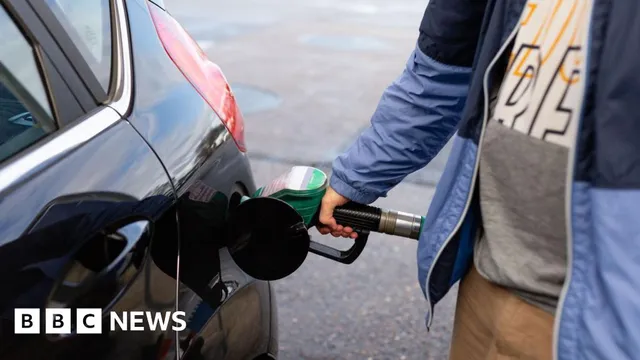
In recent months, British families have been grappling with the financial fallout of the ongoing Iran war, which began on February 28, 2023. As the conflict escalated, fuel prices surged, significantly affecting household budgets. Families like Naomi's have reported spending an additional £30 per week on diesel, especially for medical trips, and are worried about upcoming hikes in home energy bills. Meanwhile, an energy consultancy anticipates that the energy price cap will rise to £1,843 annually for the average household later this year due to fluctuations in oil and gas prices. Simultaneously, BP has experienced an extraordinary surge in profits, reporting $3.2 billion for the first quarter following the outbreak of the Iran war. This represents more than twice the profit reported in the same period last year. Analysts attribute this exceptional performance to increased oil trading, caused by disruptions to major shipping routes, especially through the strategic Strait of Hormuz. Brent crude prices have jumped over 50% since the beginning of the war, with a barrel now costing around $110 compared to $73 prior to the conflict. The situation is exacerbated for lower-income households already struggling with financial pressures. With rising inflation rates reported at 3.3% and predictions of it peaking at around 3.5% to 4% this year, many families find it challenging to manage their essential expenses. Observers note that the current inflationary pressures not only come from fuel and energy costs but are expected to extend to food prices as well, affecting overall living costs. Despite the increased profits that energy companies like BP are reporting, critics have raised concerns regarding the impact on the average consumer. Environmental groups have criticized BP’s windfall gains during a time of conflict and have called for an increased focus on renewable energy investments. The UK government has implemented measures like windfall taxes on energy firms; however, households remain burdened by escalating energy bills due to external factors like geopolitical tensions that affect global oil prices.
Context
The impact of the ongoing Iran war on UK household budgets has been significant, influencing both direct economic factors and wider geopolitical dynamics. As the conflict escalated, the UK faced increased energy prices due to its reliance on global oil markets, with tensions in the Middle East typically leading to supply chain disruptions. The rise in energy prices directly translated into higher costs for households, affecting everything from heating and electricity bills to the prices of everyday goods that depend on energy for production and transportation. Families began to feel the pressure on their budgets, forcing many to reassess their spending habits and adjust their financial planning in light of the unpredictability of fuel prices. Inflation rates in the UK surged, driven in part by the knock-on effects of the war. As the cost of living increased, many households reported that their disposable income was shrinking. This decline meant that many families had to make challenging decisions regarding discretionary spending, especially in areas such as education, travel, and leisure activities. The financial strain has led to increased stress levels among UK families, and in some cases, resulted in food insecurity for lower-income households. The government's attempts to mitigate these impacts through fiscal measures, such as subsidies or tax relief, have had mixed results, and many citizens remain concerned about the long-term sustainability of these financial supports. In addition to rising costs, the impact of the Iran war has extended into the job market, where industries connected to energy, defense, and manufacturing have experienced fluctuations in demand. For instance, job stability in sectors directly affected by military operations or those dependent on importation of raw materials from affected areas was jeopardized, leading to workforce adjustments and, in some cases, layoffs. Paralleling these concerns, businesses faced increased operating costs which tend to be transferred to consumers, further compounding the challenges faced by working families. The combination of uncertain employment prospects and escalating costs necessitated that many households re-evaluate their financial resilience in response to the evolving circumstances. Looking forward, it is essential for policymakers in the UK to consider strategies that can alleviate the pressures on household budgets resulting from international conflicts. Initiatives aimed at enhancing energy independence and diversifying energy sources would provide greater stability against volatile prices and protect the economy from future shocks. Furthermore, targeted support for vulnerable populations should be prioritized to ensure that basic needs are met and that all families can maintain a reasonable quality of life despite external challenges. Ultimately, the interplay of international conflict and domestic economic circumstances highlights the importance of strategic planning in safeguarding the financial wellbeing of UK households amidst ongoing global uncertainties.


