

Singapore Airlines suspends flights amid Middle East unrest
Singapore Airlines suspends flights amid Middle East unrest
- Singapore Airlines has announced continued flight cancellations from Singapore to Dubai until March 28 due to unrest in the Middle East.
- Airlines worldwide are adjusting their schedules and fares in light of soaring fuel costs attributed to the ongoing conflict.
- The aviation industry is facing a major crisis with significant disruptions and increased airfare expected as a result of the geopolitical situation.
Story
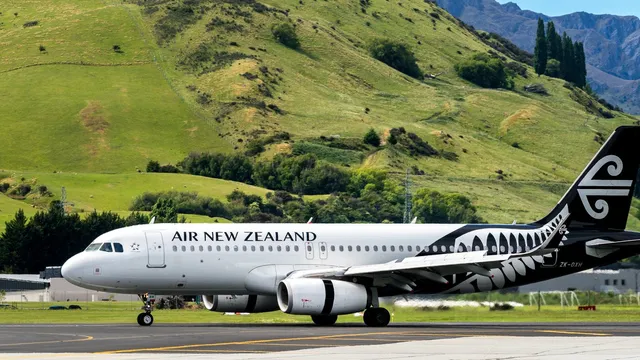
In response to escalating conflict in the Middle East, particularly surrounding Iran, several airlines, including Singapore Airlines, have significantly altered their flight operations. As of March 11, 2026, Singapore Airlines announced cancellations for flights SQ494 and SQ495 between Singapore and Dubai, which will continue until March 28. This decision follows earlier cancellations from February 28 to March 7 when 26 flights were also scrapped due to U.S. and Israeli military strikes in Iran. The airline has stated that affected customers would either be reaccommodated or offered refunds for their tickets. Similarly, the low-cost subsidiary, Scoot, has cancelled flights between Singapore and Jeddah until March 17, citing the ongoing geopolitical upheaval as the reason for these measures. The instability has led to widespread disruptions across the aviation industry, not just in the Middle East but also in regions far from the conflict zone. For instance, Air New Zealand revealed plans to cut about 1,100 flights due to rising jet fuel prices driven by the conflict, affecting over 44,000 passengers. The conflict has also led to airlines worldwide slashing their flight schedules in anticipation of further impacts on air travel safety and fuel availability. Prices for airfares are expected to rise as fuel costs continue to spike, raising concerns for travelers worldwide about the affordability of future flights. In light of these developments, it's evident that the conflict has created one of the most significant crises the airline industry has faced since the onset of the pandemic.
Context
The ongoing conflicts in the Middle East have profound implications for global aviation, influencing not only air travel safety but also airline economics and geopolitical stability. As tensions escalate in this volatile region, there are direct consequences for international air travel, with many airlines rerouting flights to avoid conflict zones, increasing costs and travel time. The airspace over conflict-prone areas can become heavily restricted, leading to flight cancellations and significant alterations in established flight paths. This shift not only affects passenger travel but also disrupts the transportation of goods, impacting global supply chains. Airlines operating in or around conflict zones face elevated operational risks, driving them to implement enhanced safety measures and incur potential losses from decreased passenger confidence, further complicating their bottom lines in an already competitive industry landscape. Moreover, insurance premiums for airlines can rise sharply in response to increased risks associated with flying over or near conflict areas. This rise in insurance costs contributes to higher operational expenses that airlines must manage, possibly leading to increased ticket prices for consumers. Additionally, geopolitical tensions can provoke national governments to impose travel bans or advisories, reducing traveler demand for flights in affected regions. This decline in demand can result in significant financial strain for airlines that depend heavily on routes traversing the Middle East, potentially leading to reduced flight frequencies, temporary suspensions of services, or even the closure of entire air routes. The economic impact of the Middle East conflict on global aviation reverberates across interconnected systems, influencing aircraft manufacturers, service providers, and travel-related sectors. With less favorable flying conditions, airlines may postpone fleet expansions or delay orders for new aircraft, affecting manufacturers and suppliers worldwide. Furthermore, service providers such as ground handling agents, fuel suppliers, and airport authorities face challenges due to potential relocations of flights and reduced passenger volumes in conflict-affected areas. These ripple effects can ultimately alter the competitive landscape of the aviation industry, as airlines reevaluate their strategies in response to fluctuating demand and increased operational risks. Lastly, the prevailing conflicts within the Middle East impact not only commercial aviation but also military operations and humanitarian missions, complicating the entire air traffic control dynamics. The necessity for stringent security measures increases, as military and relief flights must contend with potential threats, thereby straining air traffic management resources. The global nature of these conflicts demands coordinated international responses to ensure safety and maintain essential air routes. Stakeholders within the aviation industry must navigate these challenges carefully while advocating for diplomatic resolutions to mitigate the ongoing volatility affecting not just air travel but global commerce and connectivity.


