

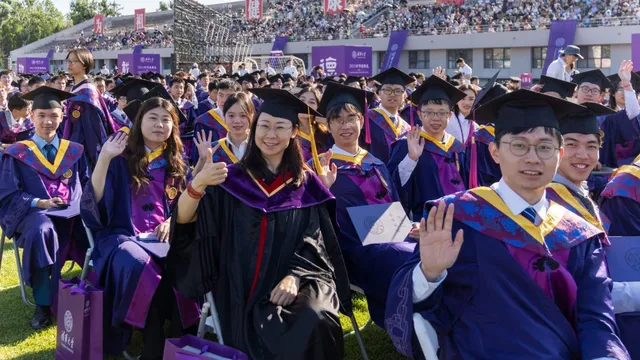
Tsinghua University outpaces U.S. Ivy Leagues in AI patents
Tsinghua University outpaces U.S. Ivy Leagues in AI patents
- Tsinghua University leads in global AI research output and patents, outperforming top U.S. schools.
- China's AI education begins at a young age, fostering a vast pool of STEM graduates.
- U.S. companies are actively recruiting Chinese talent, highlighting the international dynamics in AI development.
Story
In recent years, China has been aggressively developing its artificial intelligence capabilities, with Tsinghua University at the forefront of this initiative. This Beijing-based university has surpassed U.S. Ivy League schools like MIT, Stanford, Princeton, and Harvard in generating AI-related patents, filing nearly 5,000 patents in AI and machine learning between 2005 and 2024. In 2024 alone, over 900 patents were filed, highlighting Tsinghua's remarkable productivity in AI research. The increasing number of patents indicates China's commitment to establishing a robust AI infrastructure. The Chinese government actively supports scientific research in AI, which has also fueled interest and investment in AI education. Schools in Beijing have introduced AI instruction as early as six years old, with students spending at least eight hours annually learning about the technology, its applications, and ethical considerations. This holistic approach to education fosters a substantial talent pool for the future, with projections for an increase in STEM graduates from 3.57 million to over five million in the coming years. The competitive landscape reveals the complexities of the international AI community. While American institutions currently hold significant influence, including many of the most impactful AI patents and a higher number of notable AI models, China's rapid progress is narrowing the quality gap. Enthusiastic support for AI development from government and industry has attracted significant Chinese talent into the field, with a notable percentage of top AI researchers operating in the U.S. despite geopolitical tensions. The ongoing competition emphasizes the global nature of AI development, where countries seek to nurture talent and innovation. As the demand for skilled professionals surges, the U.S. tech industry has increasingly recruited from the broad pool of Chinese talent. This dynamic shift presents widespread implications for both nations as they strive for dominance in the burgeoning AI industry.
Context
data global geopolitical trends analysis shift market global trends global analysis strategic policy geopolitical policy economic trends policy impact data global trends strategic trends impact insight data insight market shift global analysis impact geopolitical analysis geopolitical policy shift policy economic insight analysis insight analysis market trends analysis impact global data data impact analysis global insight impact data global insight insight policy geopolitical market trends geopolitical insight analysis market strategic global strategic trends insight economic market impact geopolitical geopolitical analysis data...


