
military conflicts
tragic

Millions displaced inside Iran as air strikes intensify

Mar 15, 2026, 1:56 PM20
(Update: Mar 18, 2026, 6:43 PM)
country in Western Asia

Millions displaced inside Iran as air strikes intensify

  • Ongoing U.S.-Israeli air strikes have led to significant internal displacement in Iran, with millions affected.
  • Health organizations warn of increased risks for infectious diseases and mental health issues among the displaced.
  • Neighboring countries are preparing to address humanitarian needs but face challenges due to strict border policies.
Share your opinion
2

Story

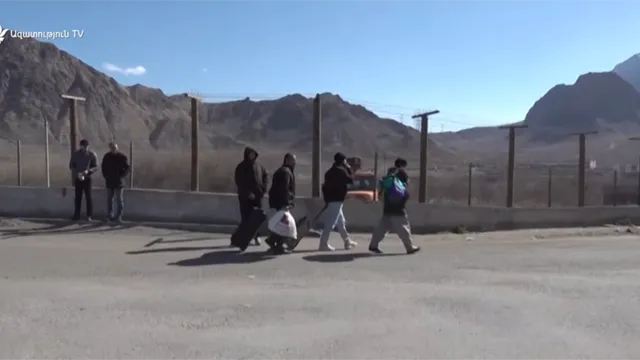
In March 2026, Iran faced intense U.S.-Israeli air strikes that led to mass displacement within the country. The United Nations High Commissioner for Refugees reported that approximately 3.2 million people have fled their homes due to the violence, with many residents looking to escape from Tehran, one of the primary targets of the bombardments. As the conflict escalates, neighboring Central Asian countries are preparing for a possible influx of Iranian refugees. Reports indicate that border crossings, especially into Turkmenistan, are seeing an increase in Iranian Turkmen attempting to seek refuge, although strict controls by Turkmen authorities limit their entry. Aid organizations have raised alarms regarding escalating health crises as the conflict continues, cautioning that the strain on health systems in the region may worsen. Infectious diseases are particularly concerning for displaced populations, many of whom reside in overcrowded shelters without proper sanitation or clean water. Additionally, the toxic pollutants from burning oil in Iran exacerbate public health risks, leading to potential respiratory issues among civilians. Mental health concerns have also emerged, with a significant portion of the population expected to experience anxiety and depression as a result of the conflict. To respond effectively, the UNHCR has established a logistics hub in Termez, Uzbekistan. Mahir Safarli, the UNHCR representative for Central Asia, emphasized the organization’s readiness to assist affected individuals and communities. Meanwhile, stricter border enforcement measures in Turkmenistan, prohibiting the entry of most Iranian citizens, have resulted in many individuals being forced to rely on makeshift shelters or family support rather than accessing official refugee accommodations. As conditions within Iran deteriorate, the region braces for the potential humanitarian crisis that could arise from continued airstrikes. Overall, as the crisis continues to unfold, regional governments have obligations to protect fleeing refugees, and international agencies remain on alert to provide necessary humanitarian aid. The consequences of the conflict suggest possible long-term health, psychological, and humanitarian challenges, underscoring the need for continued monitoring and response mechanisms in Central Asia.

Context

The current situation of Iranian refugees in Central Asia is a complex issue shaped by geopolitical, social, and economic factors. As of 2026, many Iranians fleeing political repression, economic hardship, and social constraints within Iran have sought refuge in Central Asian countries like Kazakhstan, Kyrgyzstan, and Tajikistan. These countries offer relative safety but present a myriad of challenges for the refugees. The Central Asian region has historically been a transit area for migrants, and therefore the infrastructure and legal frameworks to support refugees can be inadequate. Many Iranian refugees face difficulties in accessing legal status, employment, and basic social services, which exacerbates their struggles in adapting to new environments. Additionally, the cultural and linguistic barriers often leave them marginalized within these societies, further complicating their integration efforts. The Iranian refugees often arrive with limited resources and face challenges that include discrimination, lack of access to affordable housing, and legal uncertainties regarding their stay. In the context of uncertain political climates, these challenges are magnified. Many Central Asian nations have varying degrees of openness toward refugees, yet there is a common undercurrent of national priorities that complicates the integration process. This often results in Iranian refugees being subject to stringent legal requirements, with some countries enforcing strict measures on refugee status applications, thus leaving many without a legal framework to secure their stay. Humanitarian organizations operating in the area have been active in supporting the needs of these refugees, advocating for improved rights and protections, but resources are often stretched thin. Despite the adversities, some Iranian refugees have managed to build small communities within Central Asian countries, maintaining their cultural identity while also seeking to integrate into the local workforce. However, the economic opportunities available to them are significantly limited. Many refugees find work in low-wage sectors, often as laborers or in informal economies, which do not provide the financial stability necessary for long-term well-being. Economic pressures impact their ability to support their families, educate their children, and secure adequate healthcare, which are crucial aspects of rebuilding their lives in exile. This ongoing struggle highlights the pressing need for more structured support systems and intervention strategies to facilitate better integration outcomes. International awareness of the situation of Iranian refugees in Central Asia is increasing, but there is a notable gap in cohesive policy responses from both host countries and the international community. Joint initiatives aiming to address the legal, social, and economic needs of these refugees are required to ensure humane treatment and support. Enhanced regional cooperation among Central Asian countries, alongside constructive engagement from international organizations, could lead to improvements in the living conditions of Iranian refugees. Ultimately, a concerted effort from multiple stakeholders is essential to secure a safe and dignified future for Iranian refugees in Central Asia, allowing them not only to survive but to thrive in their new environments.

2026 All rights reserved
