

science
informative
controversial
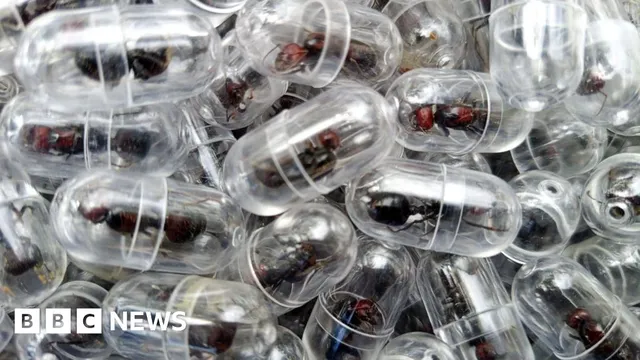
Chinese man arrested for smuggling over 2000 queen ants from Kenya
Mar 12, 2026, 9:43 AM10
(Update: Mar 12, 2026, 9:43 AM)
science
informative
controversial
Chinese man arrested for smuggling over 2000 queen ants from Kenya
- Zhang Kequn was arrested at Jomo Kenyatta International Airport for attempting to smuggle over 2,000 live queen garden ants.
- The ants are protected under international biodiversity treaties which restrict their trade due to their ecological significance.
- Authorities expect more arrests as they investigate the trafficking network linked to Zhang.
Insights
News 1 1
Related reports
Opinions
Story
“
shift policy market impact impact policy policy data shift policy geopolitical strategic trends economic strategic global insight shift analysis geopolitical trends strategic analysis strategic policy market market geopolitical data geopolitical shift policy trends policy trends strategic trends trends data analysis insight market economic economic geopolitical strategic economic insight market geopolitical impact impact shift analysis geopolitical policy insight economic economic economic analysis geopolitical trends policy shift impact strategic trends geopolitical analysis data insight impact strategic market market global shift impact analysis...
2026 All rights reserved



2026 All rights reserved