

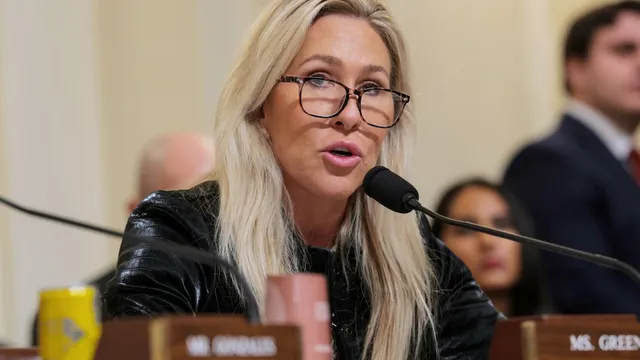
Greene warns of civil war incitement after protester killed by federal agents
Greene warns of civil war incitement after protester killed by federal agents
- Marjorie Taylor Greene addressed the shooting of Alex Pretti during a federal operation, warning that tensions are rising.
- Pretti was filmed being attacked by federal agents before he was shot, leading to conflicting narratives about the incident.
- The incident has prompted discussions about police tactics and the potential for civil unrest across the country.
Story
In the United States, the recent death of protester Alex Pretti during a federal immigration enforcement operation has sparked significant controversy and discussion surrounding the actions of federal agents. On a Saturday, January 25, 2026, Pretti, a 37-year-old intensive care nurse and U.S. citizen, was shot by a federal officer in Minneapolis while reportedly filming the operation. This incident has raised critical questions about the conduct of Immigration and Customs Enforcement (ICE) officials, particularly in light of varying narratives emerging from the federal government versus eyewitness accounts and statements from Pretti's family. Following Pretti's tragic death, Marjorie Taylor Greene, a former Georgia Congresswoman, took to social media platform X to call on her supporters and Americans in general to “take off their political blinders” regarding the incident. Greene emphasized the importance of understanding both sides of the political spectrum amidst rising tensions, and she highlighted her support for the Second Amendment and legal protests, asserting that there is a distinction between legally carrying a firearm and brandishing one. Greene's remarks also referenced feelings of anger within her political base about how the Biden administration has treated individuals connected to the January 6 Capitol riots. As public sentiment grows incredibly charged, concerns are being voiced not only about the factors that led to Pretti's death but also about the broader implications of federal law enforcement actions in American cities. Minneapolis Police Chief Brian O'Hara expressed that his department is strained and the events of the past month, including this recent shooting, have taken a toll on the local police force's ability to manage chaos effectively. The city has witnessed two fatal shootings involving federal agents within a span of less than three weeks, further heightening community anxiety and calls for accountability and reform. The outcome of this incident may drive protests and discussions regarding public safety, immigration enforcement, and the role of federal law enforcement amidst a charged political landscape. Ongoing scrutiny of ICE's tactics and operations is anticipated as the nation grapples with the tragic loss of life and the perceived hostility between federal agencies and communities. Besides Greene's call for increased awareness among MAGA supporters, various leaders are weighing in on the need for oversight of federal law enforcement, with some pointing to the urgent need to address concerns that complicate the dynamic between local communities and federal agents.
Context
data geopolitical trends data insight data geopolitical economic insight strategic shift analysis trends policy global data analysis strategic market shift impact analysis shift trends market strategic geopolitical insight shift trends impact geopolitical analysis geopolitical strategic economic geopolitical analysis impact market market insight impact geopolitical policy policy global strategic global shift insight trends policy policy data insight market market global trends strategic economic strategic trends shift global strategic analysis data trends trends policy insight global data trends policy impact policy policy...


