

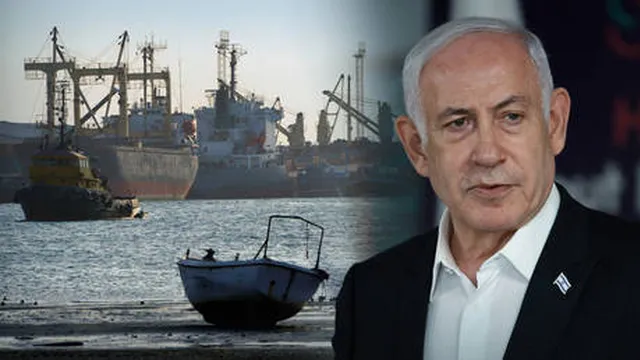
Israel officially recognizes Somaliland as independent, sparking regional tensions
Israel officially recognizes Somaliland as independent, sparking regional tensions
- Somaliland, which declared independence from Somalia in 1991, has maintained a stable government and seeks international recognition.
- Israel's recognition of Somaliland reflects strategic interests in the Red Sea region, particularly against the backdrop of tensions with Houthi forces.
- The move has sparked significant condemnation from Somalia and various African nations concerned about its impact on regional stability.
Story
In late 2023, Israel made a significant diplomatic move by recognizing Somaliland, a self-declared independent republic that seceded from Somalia in 1991. Somaliland has sought international recognition to solidify its status, citing its internal governance and stability as reasons for independence from Somalia, which has faced persistent turmoil. The recognition by Israel came amid broader strategic interests in the Red Sea region, particularly in light of ongoing tensions with Houthi forces in Yemen, with whom Israel views Somaliland as a potential ally for military cooperation. The announcement triggered widespread backlash from Somalia and several African nations, which view the move as a direct threat to regional peace and Somalia's territorial integrity. Somalia's leadership labeled Israel's actions as illegitimate and detrimental to its sovereignty, warning that such recognition undermines existing political frameworks in the region. In protests across Somalia, citizens voiced their opposition to Israel's decision and called for unity against any potential division of their homeland. Countries like Nigeria, Sudan, and regional organizations such as the African Union also condemned Israel’s move, emphasizing the need to preserve Somalia’s singular statehood. The situation is further complicated by existing geopolitical dynamics, including Israel's desire to counteract Iran's influence in the area and establish strategic partnerships in Africa through these declarations of independence. Overall, Israel’s recognition of Somaliland not only alters the trajectory of Somaliland's bid for international legitimacy but also poses serious implications for peace and stability in East Africa. The response from the international community continues to evolve, as many nations urge for a comprehensive dialogue between Somalia and Somaliland in order to address the emerging tensions and work towards a peaceful resolution that respects the region's complex historical and political context.
Context
policy policy trends shift shift shift strategic economic analysis trends geopolitical global trends policy strategic shift market economic trends policy trends data policy global impact shift strategic impact analysis analysis insight geopolitical policy shift policy market data global analysis analysis insight impact analysis insight economic geopolitical analysis insight impact trends analysis impact geopolitical data trends market insight trends market data shift data impact strategic strategic shift economic market economic strategic market economic impact analysis impact geopolitical insight impact global shift...


