

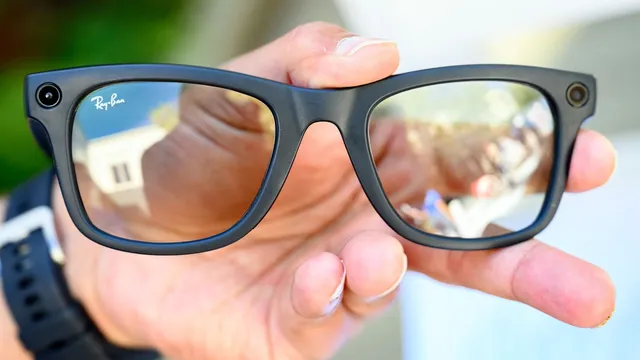
Air Force prohibits smart glasses to protect military security
Air Force prohibits smart glasses to protect military security
- The Air Force has announced a ban on the use of smart glasses in uniform due to security concerns.
- The ban reflects increasing worries about the risks posed by internet-connected devices during military operations.
- The decision signifies a vital shift in military policy towards ensuring mission integrity and national security.
Story
In the United States, the Air Force updated its regulations last month to prohibit personnel from wearing smart glasses while in uniform, citing operational security concerns. This change comes as devices like Meta's AI-powered sunglasses gain popularity among civilians. The Air Force warned that the use of internet-connected smart glasses could pose significant risks during sensitive military operations, due to their recording capabilities and potential for data exposure. Such regulations reflect a growing recognition that technological advancements require updated security policies to safeguard mission integrity and national security. Dana Thayer, the Information Protection Chief of the 104th Fighter Wing, emphasized the importance of clear boundaries regarding the use of wearable AI devices within military settings. He reiterated that despite their civilian appeal, the recording features and reliance on cloud services of smart glasses make them unsuitable for military installations. The Air Force had already implemented restrictions on most personal electronic devices in secure areas, and the updated policy extends this ban to smart glasses as well, highlighting a proactive approach to maintaining operational security. While the Air Force has taken a strong stance against smart glasses, other branches of the military have adopted less stringent policies. The Navy restricts hands-free devices in uniform without special authorization, while decisions about usage in the Marines and Army are left to lower-level commanders. This disparity in regulations suggests a varying level of concern regarding the potential security implications of new technologies across different service branches. The military has previously explored the use of smart glasses, particularly in contexts like repair training for infantry vehicles and ordnance handling. Moreover, Homeland Security has been observed using smart glasses in various situations across the country, raising conversations about privacy and civil liberties among advocates. Overall, the Air Force's ban on smart glasses reflects a broader trend within military and governmental institutions to prioritize security over emerging technologies that may compromise operational integrity.


