

Artist explores 420 million years of geological heritage in the Black Country
Artist explores 420 million years of geological heritage in the Black Country
- Stuart Whipps is examining over 420 million years of geological history through art in the West Midlands.
- His project includes visiting significant local sites and engaging with the community.
- The initiative aims to highlight the often-forgotten contributions of working-class people to geological history.
Story
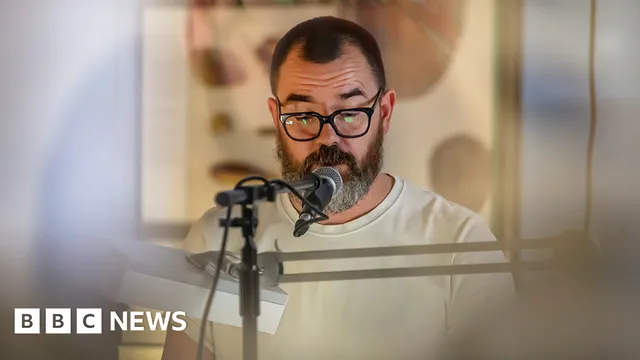
In the West Midlands of England, artist Stuart Whipps is undertaking a unique exploration of the geological history of the Black Country, an area recognized for its exceptional geological heritage. This initiative is part of a gallery residency at The New Art Gallery in Walsall, where Whipps is focusing on the diverse landscapes, remarkable fossils, and mineral richness that the area has to offer. His work highlights the dual importance of geological history and the often-overlooked contributions of working-class individuals to this narrative. They played essential roles in mining, fossil collection, and identifying geological specimens, despite typically being omitted from historical accounts. As part of his residency, Whipps plans to visit several significant sites across the area, such as Barr Beacon and Brownhills Mining Heritage Monument, aiming to meet locals and collect stories and materials for his project. He seeks to create engaging performance lectures that will utilize an analogue slide projector to present narratives that bridge personal accounts with the geological significance of the area. The influence of the Black Country stretches internationally, as it was pivotal during the Industrial Revolution, playing a crucial role in various discoveries and innovations related to geology. Throughout his project titled 'The Formation of the Universe,' which runs until July 5, Whipps aspires to shift the perception of the Black Country, encouraging people to recognize its depth of history and significance. He believes that when people consider the enormous timescale of geological formations underfoot, it can fundamentally change their understanding of both place and time. This awareness aims to foster a deeper respect for the natural world and its history. Whipps’s project is accessible, with public events scheduled for May 16 and July 4, allowing the community to engage with the artistic exploration of their local heritage. This initiative reflects a broader effort to reclaim the narratives surrounding geology and the individuals tied to its history, inviting reevaluation of who gets credited in scientific discoveries and heritage conservation.


