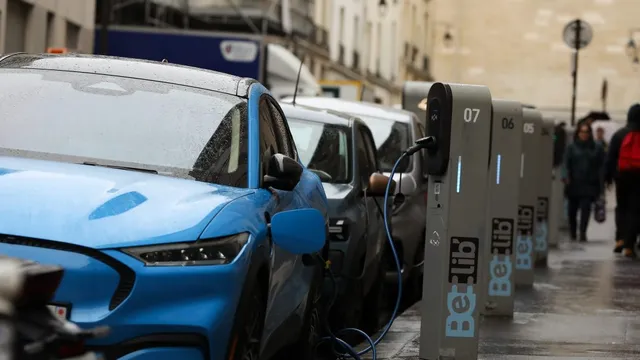
In recent months, the global automotive market has witnessed a significant shift towards electric vehicles (EVs), particularly following the onset of the Iran War. As of May 2026, EVs accounted for over 26% of all car sales, marking an all-time high. This surge in adoption is largely attributed to the geopolitical tensions that have influenced consumer behavior and market dynamics. Goldman Sachs reported that since the Hormuz shock began, there has been a 3.4 percentage point increase in global EV sales, with China leading the charge, contributing 61% of the total increase in EV penetration. The report highlights that 12 of the 15 largest EV markets have experienced growth in EV sales since February 2026, indicating a broad-based acceleration in the transition to electric mobility.
The implications of this shift are significant for global oil demand. Goldman Sachs projects that the transition to EVs could lead to a reduction in oil demand by 0.13 to 0.32 million barrels per day by December 2027. This reduction, while modest compared to the total global consumption of approximately 100 million barrels per day, is particularly noteworthy given the current supply crisis in the oil market. The report suggests that the acceleration in EV sales could challenge the assumptions of sustained demand growth for oil producers, especially as the market navigates the complexities introduced by the ongoing conflict.
In the United States, however, the situation is more complex. New EV sales totaled around 85,000 units in May 2026, representing only 5.7% of total vehicle sales, a decline of nearly 22% from the previous year. This downturn is directly linked to the expiration of the $7,500 federal EV tax credit in September 2025, which has not been replaced. In contrast, China has seen a remarkable increase in EV sales, with electric vehicles making up nearly 63% of all retail car sales in May 2026. This stark difference highlights the varying dynamics of the EV market across different regions.
The report also emphasizes the behavioral shifts occurring within the existing vehicle stock, particularly in China, where owners of plug-in hybrids are increasingly opting to charge their vehicles rather than refuel with gasoline. This trend has contributed to a more than 20% year-over-year drop in gasoline and related product sales volumes. Additionally, the rise of two- and three-wheeler EVs, which dominate the market in countries like India and Vietnam, further complicates the picture, as their impact on overall fuel demand is not captured in the passenger car data. Overall, the findings from Goldman Sachs underscore the profound relationship between energy shocks and technological adoption, suggesting that the ongoing conflict may have lasting effects on both the automotive and energy sectors.