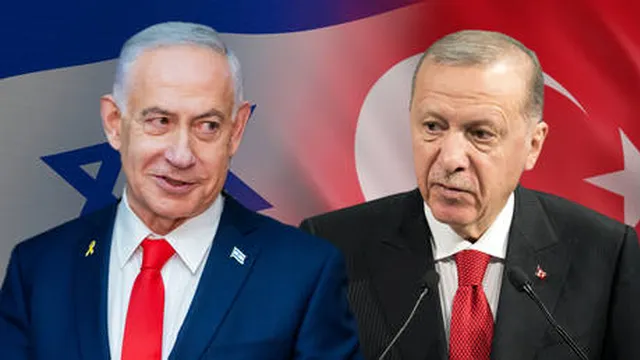
In a significant development during a NATO summit in Turkey, U.S. President Donald Trump expressed his willingness to reconsider the sale of F-35 fighter jets to Turkey, a move that has been contentious since Turkey's removal from the program in 2019 due to its acquisition of Russian S-400 missile systems. Trump praised Turkey's loyalty to the U.S. and emphasized the importance of strong ties with Turkish President Recep Tayyip Erdogan, who has long sought reinstatement in the F-35 program. This potential sale has raised concerns among U.S. allies, particularly Israel, where Prime Minister Benjamin Netanyahu publicly opposed the deal, arguing that it could destabilize the power balance in the Middle East. Netanyahu described Turkey as a regime influenced by the Muslim Brotherhood, which he claims poses a threat to Israel. Despite these concerns, Trump has indicated that he views Turkey as an extraordinary ally and is open to lifting sanctions against the country, which could pave the way for Turkey's return to the F-35 program. The discussions around this issue highlight the complexities of U.S. foreign policy in the region, where alliances are often tested by geopolitical interests and historical tensions. The outcome of these negotiations could have far-reaching implications for NATO's cohesion and the security dynamics in the Middle East.