

UK braces for its hottest recorded year in 2025
UK braces for its hottest recorded year in 2025
- The UK is experiencing a notable increase in average air temperatures, projected to reach 10.05 degrees Celsius in 2025.
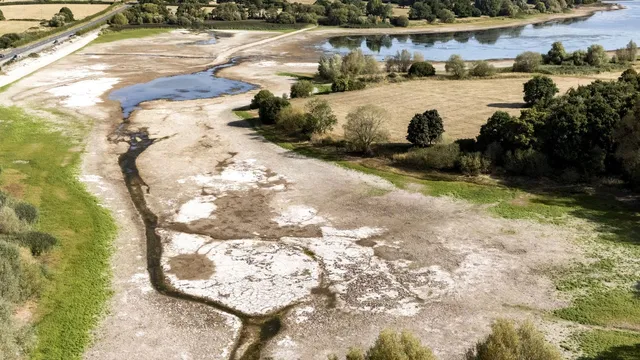
- This year has seen record temperatures and drought declarations, marking a significant shift in climatic conditions across regions.
- Experts warn that these changes indicate the serious impact of human-caused climate change on the environment and public health.
Story
In the United Kingdom, 2025 is projected to be one of the warmest years since temperature records began. According to the Met Office's analysis, the average air temperature across the nation is expected to reach approximately 10.05 degrees Celsius. This would surpass the previous record set in 2022, where the average temperature was 10.03 degrees Celsius. A notable aspect of 2025 has been the continuous heat during spring and summer, combined with significantly low rainfall. This combination has pushed several regions toward drought conditions, exacerbating the risk of wildfires and impacting local ecologies and human health. Official drought declarations were made across parts of England and Wales during the summer months, with drought conditions easing due to recent rainfall. However, the warmer climates have led to stark warnings from health agencies, as heat-health alerts were issued to the public throughout the warmer months. As a result of these unprecedented weather patterns, many experts and climate scientists are raising alarms about the long-term implications of human-caused climate change. They are emphasizing that the trend will likely continue, especially as they predict more extreme weather events, including more heatwaves, droughts, and intense rainstorms during winter months.
Context
Climate change has emerged as a critical factor influencing weather patterns in the UK, contributing to an array of changes in climate, precipitation, and temperature variability. Over recent decades, numerous studies have illustrated a discernible increase in average temperatures across the UK, with projections indicating a potential rise of 1.5 to 2 degrees Celsius by the end of the century if current trends continue. This warming trend is not uniform, as different regions within the UK experience varying degrees of temperature change. For instance, northern areas are increasing at a faster rate than southern ones, significantly impacting ecological systems and seasonal behaviors in both natural and agricultural settings. The frequency and intensity of extreme weather events, such as heavy rainfall and storms, have also surged, aligning with predictions made in climate models. This has resulted in a notable increase in incidences of flooding, particularly in low-lying regions and urban environments prone to runoff and inadequate drainage. The changing weather patterns can be correlated with significant economic impacts, including damage to infrastructure, increased insurance claims, and a strain on emergency services. Additionally, the shift toward more erratic weather conditions poses challenges for farmers who face difficulties in planting, harvesting, and managing crops due to unpredictable weather phenomena. Another critical aspect of climate change's impact on UK weather is linked to droughts and water scarcity, even during regions traditionally perceived as wet. Changes in precipitation patterns are causing some areas to experience longer dry spells, which, when coupled with increased temperatures, underscores the need for strategic water management and conservation efforts. Consequently, sectors dependent on a stable water supply, such as agriculture and public services, are finding it increasingly challenging to adapt to these varying conditions. Policymakers are tasked with devising effective strategies to mitigate these impacts and enhance resilience against the backdrop of climate change. In conclusion, the impact of climate change on UK weather patterns is profound and multifaceted. With rising temperatures, an increase in extreme weather events, and shifting precipitation patterns, the United Kingdom stands at a critical juncture. Adapting to these changes requires a comprehensive understanding of the underlying science, as well as a concerted effort from government, communities, and individuals to curb greenhouse gas emissions and implement sustainable practices. Collaborative approaches that prioritize long-term environmental health and community resilience will be essential in safeguarding the UK against the adverse effects of climate change.


