

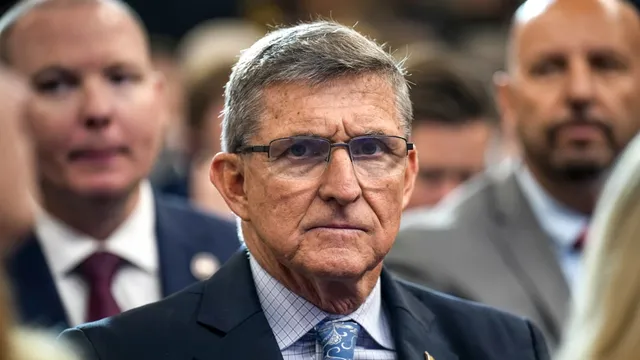
Justice department pays $1.2 million to Michael Flynn over wrongful prosecution
Justice department pays $1.2 million to Michael Flynn over wrongful prosecution
- Michael Flynn filed a lawsuit against the Justice Department in 2023, alleging wrongful prosecution.
- The settlement amount of $1.2 million reflects a change in the DOJ’s approach towards Flynn’s case.
- This agreement is seen as a step in addressing perceived injustices related to the Russia investigation.
Story
In a significant development in American politics, the Justice Department settled a lawsuit with Michael Flynn, Donald Trump's former national security adviser, for approximately $1.2 million. This resolution comes after Flynn's lawsuit, filed in 2023, sought at least $50 million, claiming he was wrongfully prosecuted due to his links with Trump’s 2016 campaign. Flynn, who had previously pleaded guilty to lying to the FBI during the investigation into Russian interference in the election, argued that the prosecution was politically motivated. He alleged that the FBI's interview process was improper and accused federal prosecutors of bad faith. The DOJ, under Attorney General Pam Bondi, has shifted its stance on Flynn's case compared to the Biden administration, which had previously dismissed the lawsuit. The agreement is framed by the DOJ as a corrective measure for what it describes as historical injustices stemming from the Russia investigation. Flynn's controversy began when he was a pivotal figure in Special Counsel Robert Mueller's probe into allegations of collusion between Russia and Trump's campaign. He was pardoned by Trump in 2020, which ended the criminal proceedings against him. The settlement is part of broader discussions about accountability within the DOJ regarding its previous actions during the Russia investigation, which has faced scrutiny regarding its handling of cases involving political figures like Trump and his associates. The outcome marks a notable change in the Justice Department's approach and sets a precedent for future claims related to similar political prosecutions.
Context
The history of the Justice Department with Michael Flynn is marked by significant events that have drawn public and legal scrutiny. Michael Flynn, a former National Security Advisor, was a key figure in the investigation into Russian interference in the 2016 presidential election. Initially, Flynn was positioned as a crucial player in Donald Trump’s administration, advocating for a foreign policy that aligned with various national security interests. However, his tenure was short-lived, as he resigned in February 2017, following revelations regarding his contacts with Russian officials during the Trump campaign and transition period. In December 2017, Flynn pleaded guilty to lying to FBI agents about his conversations with Russian Ambassador Sergey Kislyak. This admission was pivotal in the ongoing investigation by Special Counsel Robert Mueller. Flynn's cooperation with the investigation suggested a deeper involvement in matters related to the Trump campaign and potential collusion with Russian interests. Despite his cooperation, the circumstances surrounding his resignation and subsequent guilty plea raised questions about the integrity of both the Trump administration and the FBI's investigative tactics. The Justice Department's handling of Flynn's case underwent notable transformations over the subsequent years. In May 2020, the DOJ moved to drop the charges against Flynn, citing that the FBI's initial interview of him was unjustified and that he had not committed any proven wrongdoing. This decision to drop the charges faced backlash, leading to a contentious debate surrounding prosecutorial discretion and the foundational principles of justice, especially concerning politically charged cases. Critics argued that the move appeared politically motivated, favoring Flynn due to his allegiance to the Trump administration and aligning with the broader narrative of undermining the investigations into Russian interference. The series of events surrounding Michael Flynn, including his initial guilty plea, cooperation with the Mueller investigation, and the subsequent reversal by the Justice Department, illustrate the complexities of legal proceedings that occur in highly politicized environments. The ramifications of Flynn's case extend beyond personal legal issues; they raise critical questions about the integrity of federal law enforcement practices, the accountability of public officials, and the principles that govern both national security and judicial processes. The intertwined narratives of justice, politics, and ethics continue to evoke discussions on the rule of law and the role of the Justice Department in contemporary governance.


