

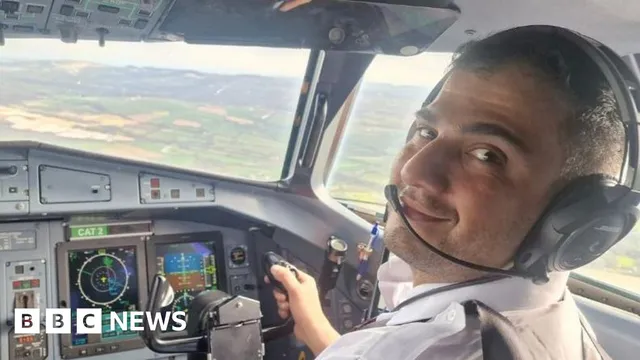
Pilot identified among six victims of Maine plane crash
Pilot identified among six victims of Maine plane crash
- The Bombardier Challenger 600 crashed during takeoff from Bangor, Maine, while en route to France amid a snowstorm.
- All six victims were involved with a luxury travel startup based in Houston, Texas.
- The incident highlights ongoing concerns regarding aviation safety and the impact of adverse weather on plane operations.
Story
In the United States, particularly in Maine, a tragic plane crash occurred on January 25, resulting in the loss of six lives, including the copilot, Jorden Reidel, aged 33. The private jet, a Bombardier Challenger 600, was en route from Houston to France's Champagne region and made a stop in Bangor to refuel when it encountered severe weather conditions, causing it to flip and catch fire during takeoff. All victims were associated with a luxury travel startup led by a lawyer from Texas, focused on providing premium travel experiences for high-net-worth clients. The individuals aboard included Reidel, who began flying at a young age and aspired to be a pilot. Also present were his captain, Jacob Hosmer, aged 47, and sommelier Shelby Kuyawa, aged 34, along with event planner Shawna Collins, aged 53, and chef Nick Mastrascusa, aged 43, highlighting the diversity of professionals aiming to explore travel opportunities in France. The group had planned to scope out potential travel properties when the accident occurred. As details emerged, family and friends expressed their deep sorrow and grief over the unexpected loss. Reidel, described as a dedicated family man, was married and left behind a young daughter. The incident called attention to aviation safety, particularly given the conditions during the flight, which included a snowstorm that may have contributed to the crash. Authorities are currently investigating the cause of the accident, considering multiple factors, including the weather and potential ice build-up on the aircraft wings during takeoff. The National Transportation Safety Board is expected to lead the investigation, focusing on prior incidents involving the model of the jet. This tragic event shocked the communities in Houston, Texas, and Hawaii, where many of the victims resided or worked, as they remembered the dedication and vibrancy each individual brought to their lives and professions.
Context
The luxury travel industry has long been seen as a robust sector, characterized by its resilience and ability to weather various economic shifts. However, recent events have thrown unforeseen challenges into this affluent market, particularly the significant crash that has impacted travel operations globally. As people find themselves more stressed about safety and health, consumer preferences have shifted dramatically. Luxury travelers, who traditionally seek exclusive experiences and personalized services, have begun to prioritize safety protocols alongside their preferences for comfort and luxury. This shift has forced high-end travel providers to adapt quickly in order to meet changing client expectations, leading to a reevaluation of service offerings and operational practices. The crash has not only affected travel logistics but also the financial stability of luxury providers. Many airlines, hotel chains, and cruise lines have faced severe operational disruptions, leading to cancellations and reduced capacity. This financial strain has compelled luxury travel companies to rethink their pricing structures and business models. To maintain their exclusive appeal while being mindful of budget constraints, these companies have started to offer flexible booking policies, enhanced hygiene measures, and improved customer service experience. Such adaptations aim to reassure potential clients and encourage the return of consumer confidence in luxury travel. Furthermore, the pandemic has accelerated the trend towards 'sustainable luxury,' where ecologically responsible practices are becoming a defining characteristic of high-end travel. This new focus includes an emphasis on local experiences, organic cuisine, and low-impact travel options. Understanding the changing values of luxury consumers is imperative, as they increasingly seek travel experiences that do not just cater to their desires for indulgence but also align with their ethical considerations. As a result, luxury travel operators are now investing in eco-friendly initiatives and making conscious efforts to promote responsible tourism. Ultimately, while the crash has certainly impacted the luxury travel industry, it has also opened up opportunities for innovation and improvement. The sector's ability to evolve in response to challenges reflects its dynamic nature. Stakeholders must leverage this period of transformation to redefine luxury travel, making it safer, more sustainable, and deeply aligned with customer values. Understanding and embracing these changes will be vital for the future recovery and growth of the luxury travel industry as it navigates through and beyond the implications of the recent crash.


