
environment
tragic
speculation

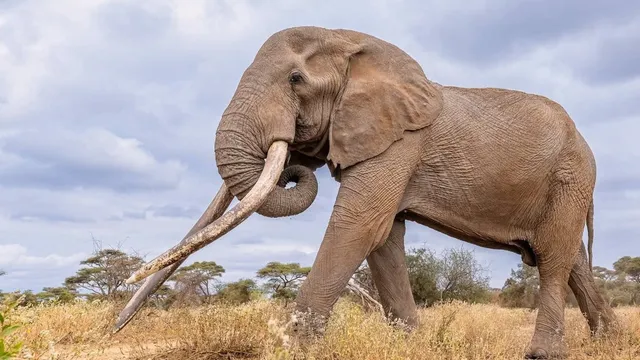
Craig the beloved elephant dies, marking the end of an era

Jan 3, 2026, 12:48 PM30
(Update: Jan 3, 2026, 4:03 PM)
city in and county seat of Moffat County, Colorado, United States

Craig the beloved elephant dies, marking the end of an era

  • Craig, a super tusker elephant, died of natural causes at Amboseli National Park in Kenya.
  • He was known for his long tusks and had become an ambassador for a lager brand.
  • His death marks a significant loss in the efforts to protect elephants and highlights the importance of ongoing conservation initiatives.
Share opinion
Tip: Add insight, not just a reaction
3

Story

In Kenya, conservationists and locals are mourning the loss of Craig, a well-known super tusker elephant, who recently passed away at Amboseli National Park. At 54 years old, Craig was known for his impressive long tusks and calm demeanor, which he displayed frequently to the delight of tourists who visited the park. His death, attributed to natural causes, highlights both his significance as a wildlife icon and the challenges faced in elephant conservation. Craig was crucial not only for his unique characteristics but also for the awareness he raised about wildlife protection efforts against poaching, reinforcing the importance of conservation in maintaining elephant populations. Craig was not just any elephant; he represented a rare class known as super tuskers, which are identified by their exceptionally heavy tusks. The Kenya Wildlife Service noted that Craig's tusks weighed over 45 kilograms each, making him one of the last remaining super tuskers in Africa. His image became synonymous with successful conservation as he actively engaged with visitors, often pausing for photographs. Craig's fame extended beyond the park when he was named the ambassador for a well-known Kenyan lager brand, further increasing awareness of the plight of elephants and the need for conservation measures. The Amboseli Trust for Elephants, which closely monitored Craig’s health and well-being, expressed gratitude to those who contributed to his long life. Craig's gentle nature endeared him to many, and he fathered numerous calves, ensuring that his legacy would continue despite his passing. The increase in Kenya’s elephant population over recent years reflects effective wildlife management efforts, where conservationists like the Amboseli Trust have been paramount in developing strategies to combat poaching and promote ecological sustainability. Craig's death serves as a poignant reminder of the fragility of wildlife in the face of environmental changes and human interference. As Kenya's national parks remain popular tourist destinations, this moment marks a significant loss, but also a continued call to protect the unique wildlife heritage exemplified by Craig and other elephants in the region. The reverberations of his passing will likely be felt within conservation circles, urging reinforced efforts towards the survival of remaining super tuskers and the species as a whole.

Context

Kenya is home to a significant population of elephants, making it a focal point for conservation efforts aimed at protecting these magnificent creatures. The decline in elephant populations due to poaching for ivory, habitat loss, and human-wildlife conflicts has necessitated a multi-faceted approach to conservation. The Kenyan government, alongside various non-governmental organizations and community stakeholders, has implemented strategies that encompass anti-poaching initiatives, habitat preservation, and community engagement to ensure the survival of elephants in the wild. The commitment to safeguard this species is evident in the establishment of protected areas and wildlife reserves that serve as sanctuaries for elephants and other wildlife. One of the critical components of Kenya's elephant conservation strategy is the use of technology in anti-poaching operations. Drones and satellite imagery are deployed to monitor wildlife movements and detect illegal activities in real-time. Additionally, the Kenya Wildlife Service (KWS) has intensified its training programs for rangers, equipping them with necessary skills to combat poaching effectively. Collaborative efforts with international organizations have provided the necessary resources and expertise to strengthen these initiatives. The results have been promising, with reports indicating a decline in poaching incidents and an increase in elephant numbers in certain protected areas. Another vital aspect of Kenya's conservation efforts is community involvement. Local communities play a crucial role in the protection of elephants, as they often reside near elephant habitats and may experience human-wildlife conflicts. To mitigate this, community-based conservation programs have been established to promote coexistence between humans and elephants. These programs include compensation schemes for farmers who suffer from crop damage caused by elephants, education campaigns to raise awareness about the importance of elephants in the ecosystem, and initiatives that encourage sustainable land-use practices. By fostering a sense of ownership and responsibility among local communities, conservation efforts gain the necessary grassroots support to thrive. In conclusion, Kenya's elephant conservation efforts demonstrate a comprehensive approach that addresses the myriad challenges faced by these animals. By integrating technology, enhancing law enforcement, and promoting community engagement, Kenya sets a precedent for wildlife conservation that other countries can emulate. Continued support and investment in these initiatives are essential to ensure the long-term survival of elephants in Kenya, which is not only vital for biodiversity but also for maintaining the cultural heritage and ecological integrity of the region.

2026 All rights reserved
