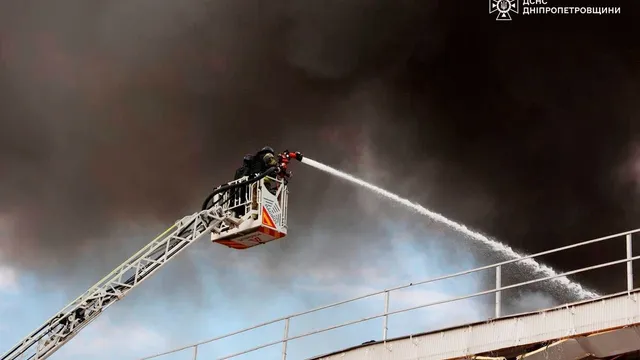
The ongoing conflict in Ukraine, particularly the Russian attacks on Ukrainian civilians, has had a profound and devastating impact on the population. Since the escalation of hostilities, millions of civilians have been affected, facing not only the immediate threat of violence but also long-term consequences on their health, safety, and well-being. The attacks have led to significant loss of life, with thousands of civilians killed or injured, and many more displaced from their homes. The psychological toll on survivors is immense, as they grapple with trauma, loss, and uncertainty about the future. The humanitarian crisis has been exacerbated by the destruction of infrastructure, including hospitals, schools, and essential services, which has further hindered the ability of civilians to access necessary care and support.
In addition to the physical and psychological impacts, the Russian attacks have disrupted the social fabric of Ukrainian communities. Families have been torn apart, and many individuals have been forced to flee their homes, leading to a massive internal displacement crisis. The influx of refugees into neighboring countries has strained resources and created challenges for host nations. The loss of community ties and the breakdown of social networks have left many individuals feeling isolated and vulnerable. Furthermore, the attacks have hindered economic activities, leading to increased poverty and food insecurity among the civilian population. The long-term economic repercussions of the conflict are likely to be felt for years to come, as rebuilding efforts will require significant resources and time.
The international response to the situation has been varied, with some countries and organizations providing humanitarian aid and support to those affected by the conflict. However, the scale of the crisis has often outpaced the available assistance, leaving many civilians in dire need of help. Advocacy for the protection of civilians in conflict zones has gained traction, with calls for accountability for violations of international humanitarian law. The need for a comprehensive and sustained international effort to address the humanitarian needs of the affected population is critical. This includes not only immediate relief efforts but also long-term strategies for recovery and rebuilding, ensuring that the voices of those impacted are heard and prioritized in the response.
As the conflict continues, the impact of Russian attacks on Ukrainian civilians remains a pressing concern. The need for a peaceful resolution to the conflict is paramount, as continued violence only exacerbates the suffering of innocent civilians. The international community must remain vigilant in its support for Ukraine and its people, advocating for their rights and well-being. The resilience of the Ukrainian population in the face of such adversity is commendable, but without sustained support and a commitment to peace, the long-term consequences of the conflict will continue to unfold, affecting generations to come.