
society
controversial
tragic

Medical examiner admits crucial mistake in shaken baby syndrome case

Dec 16, 2025, 10:00 PM20
(Update: Dec 17, 2025, 10:40 AM)
researcher
state of the United States of America

Medical examiner admits crucial mistake in shaken baby syndrome case

  • Dr. Bruce Levy conducted the autopsy on Alex Maze, concluding his death was caused by shaken baby syndrome.
  • Levy has since stated new information leads him to believe Maze is innocent and there may have been no abuse.
  • This case raises significant questions around the reliability of forensic evaluations in child abuse convictions.
Share your opinion
2

Story

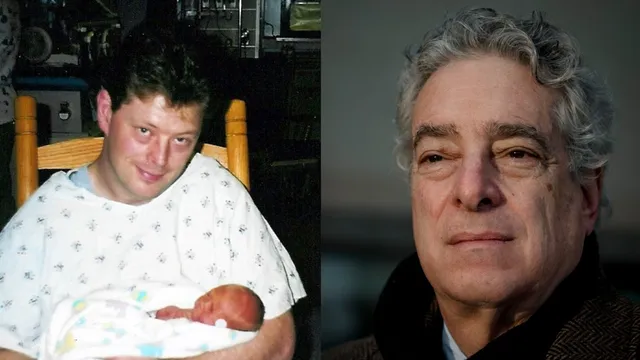
In May 1999, in Tennessee, Russell Maze was convicted of murdering his 19-month-old son, Alex, based primarily on the testimony of Dr. Bruce Levy, a medical examiner who conducted the autopsy. Levy classified Alex's death as a result of shaken baby syndrome, a diagnosis that played a pivotal role in Maze's conviction. After evaluating new information concerning Alex's medical history and advancements in the understanding of shaken baby syndrome, Levy recognized his earlier conclusions may have been incorrect. This led him to assert that there might have been no abuse involved in Alex's death, subsequently stating his belief in Maze's innocence. The case garnered significant attention as it highlighted the complexities of diagnosing shaken baby syndrome and raised questions about the reliability of such assessments in court. Levy, who had originally been a key witness for the prosecution, revealed his doubts during a recent interview with NBC News, expressing regret over his involvement in a conviction he now views as potentially flawed. This admission underscores broader implications for how forensic evidence is utilized in legal proceedings, particularly when it comes to child abuse cases. Additionally, other experts have weighed in on the situation, noting that scientific understanding of such cases has evolved, emphasizing the need for continuous reevaluation of past cases based on emerging knowledge. Russell and Kaye Maze, Alex's parents, have endured significant emotional turmoil over the past 26 years due to the wrongful conviction. They have been separated from their son for most of his life, with Kaye being permitted to visit him only occasionally while he was placed in foster care. After being charged alongside her husband, Kaye accepted a plea deal in the hopes of regaining custody but faced numerous hurdles, including probation requirements. The emotional strain of this family tragedy has left lasting scars, as Levy's recent revelations regarding the integrity of his previous findings have stirred up old wounds for the Maze family. Despite efforts to overturn Russell's conviction, the Tennessee Court of Criminal Appeals upheld the verdict last year, dismissing claims presented by new medical experts as merely a different perspective in a longstanding debate. As the Mazes continue to seek justice and hope for a reunion, the growing recognition of potential errors in forensic assessments may prompt further discussions regarding the need for reform in the criminal justice system, particularly in cases involving child fatalities. In this context, Levy’s acknowledgment of potential mistakes may not only alter the trajectory of Russell Maze’s case but also ignite a broader dialogue about the validity and application of forensic science in the legal framework.

2026 All rights reserved
