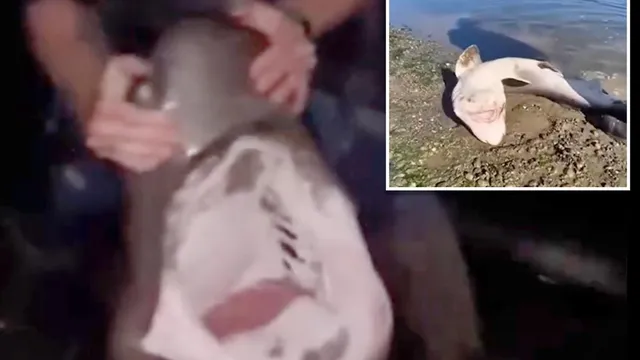
In Washington state, Connor Seifert, a 27-year-old man, has been accused of illegally fishing for protected shark species, specifically bluntnose sixgill and broadnose sevengill sharks, in the Puget Sound. The Washington Department of Fish and Wildlife reported that Seifert had been engaging in this illicit activity for several months, boasting about his catches on social media. His bizarre behavior included filming himself wrestling with the sharks after catching them, which raised significant concerns among wildlife authorities. At least 14 complaints were filed against him, prompting a thorough investigation by the department.
The investigation culminated in a sting operation where authorities monitored Seifert's activities both online and in person. During the confrontation, officers reminded him of the laws protecting these shark species, emphasizing the detrimental impact of his actions on the shark population and their offspring. The officers explained that the stress caused to the sharks during the fishing process could lead to the death of their pups, which are born in the Puget Sound. This illegal fishing not only threatens the local ecosystem but also violates state laws designed to protect vulnerable marine life.
Seifert was charged with nine counts of unlawful recreational fishing in the second degree and one count of making a false statement to a public servant. He has pleaded not guilty to these charges in Pierce County District Court. The case highlights the ongoing issues of illegal fishing practices and the importance of enforcing wildlife protection laws to preserve marine biodiversity. The Washington Department of Fish and Wildlife continues to monitor the situation and take action against individuals who violate these regulations.
The incident serves as a reminder of the critical need for public awareness regarding the protection of marine species and the consequences of illegal fishing. As authorities work to uphold these laws, they also aim to educate the public about the importance of sustainable fishing practices and the protection of vulnerable species in the region.