

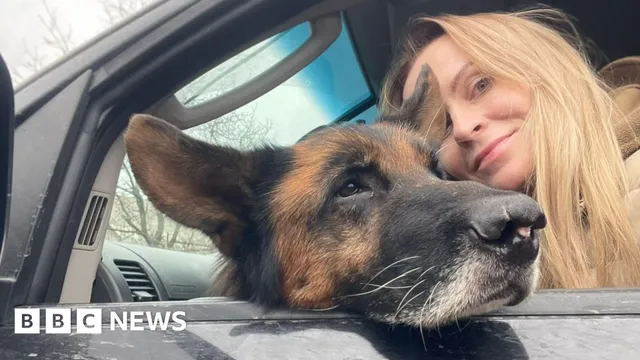
Ukrainian pet rescuers save thousands while risking their lives
Ukrainian pet rescuers save thousands while risking their lives
- Numerous groups have emerged to rescue animals in Ukraine impacted by the war.
- Many pets were abandoned by owners who fled conflict zones, while others were left behind after owners were killed.
- The efforts of these rescuers highlight the human-animal bond and the difficulties faced by pet owners during the war.
Story
In eastern Ukraine, numerous animal rescue groups have emerged in response to the war, offering food, veterinary care, and shelter for abandoned pets. As the conflict drives many owners away from war-torn areas, countless pets are left behind, needing urgent help. Lala Tarapakina, a member of the 12 Guardians animal rescue organization, has personally rescued over 40,000 animals from perilous conditions. She emphasizes the challenging and dangerous nature of these rescues, often taking place under heavy artillery fire. The emotional burden of leaving animals behind has made it difficult for some pet owners to abandon their homes, leading many to stay near the front lines despite the risks. The ongoing war has complicated travel with pets, as finding accommodations that allow animals can be difficult in safer regions. Additionally, the presence of stray animals has become a common sight among Ukrainian soldiers, showcasing their unexpected role in the conflict. Ultimately, the dedication of these rescuers highlights the profound human-animal bond and the lengths to which people will go to protect even the most vulnerable members of their community.
Context
Animals have played a significant role in wartime scenarios throughout history, serving various functions that are crucial to military operations and human welfare. From carrier pigeons delivering vital messages during World War I to dogs detecting explosives and saving lives today, the contributions of animals in combat zones cannot be overstated. Their unique abilities have been harnessed as tools of intelligence, companionship, and support, showcasing their adaptability and loyalty in dire situations. Furthermore, animals have provided emotional support to soldiers, helping to alleviate the psychological toll of war, as seen with therapy animals aiding veterans grappling with post-traumatic stress disorder (PTSD). In various wars, animals such as horses, camels, and elephants have been utilized for transport, reconnaissance, and logistics. Horses were indispensable cavalry units, enabling swift movements across battlefields, while camels served as vital transportation in desert warfare, such as during the North African campaigns in World War II. Elephants, though less common in contemporary military operations, were historically significant in transporting troops and supplies through challenging terrains. The strategic deployment of animals not only enhanced military efficiency but also exemplified ingenuity in overcoming logistical hurdles in warfare. Moreover, various animals have been specifically trained for roles that go beyond traditional combat support. Dogs, for example, have been trained for search and rescue operations, bomb detection, and patrol duties, often risking their lives alongside service members. Their keen senses, especially in detecting scents and sounds, make them invaluable in identifying potential threats, thus saving lives and providing safety in unpredictable environments. In addition to dogs, various birds, including pigeons and, more recently, drones mimicking bird behavior, are used for surveillance, highlighting the incorporation of animal instincts into modern military technology. The role of animals in wartime extends not only to their contributions to military operations but also to the ethical considerations surrounding their use. As society evolves, there is a growing discourse on the welfare of animals in military settings and the responsibilities of armed forces to ensure humane treatment. As nations recognize the invaluable contributions made by animals in combat, programs have been developed to honor and care for service animals post-deployment, reflecting a reciprocal relationship between humans and animals in the context of warfare. This evolution signifies a broader understanding of the interconnectedness of life and how the roles of animals in wartime will continue to adapt alongside military strategies and ethical considerations.


