

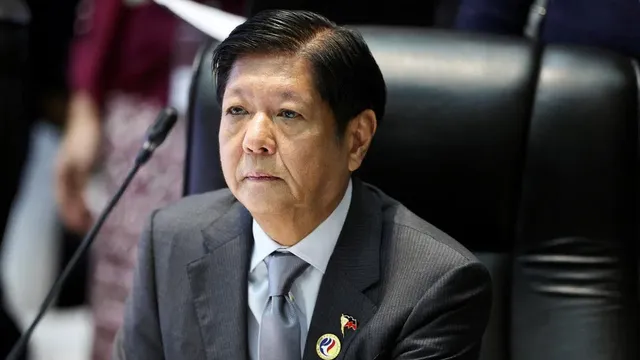
Philippine lawmakers dismiss impeachment complaints against President Marcos
Philippine lawmakers dismiss impeachment complaints against President Marcos
- On February 3, 2026, Philippine lawmakers met to evaluate impeachment complaints against President Ferdinand Marcos Jr.
- The House justice committee found the complaints, rooted in allegations of corruption and betrayal of public trust, lacking in substance.
- As a result, the chances of pursuing the impeachment process seem limited given the current support for Marcos in the legislature.
Story
On February 3, 2026, Philippine lawmakers gathered in Manila to evaluate impeachment complaints against President Ferdinand Marcos Jr. These complaints were rooted in allegations of corruption, violations of the Constitution, and betrayal of public trust. The House justice committee determined that the complaints were ‘sufficient in form’ but later concluded they lacked substance during discussions that continued over several days. Marcos, who maintains he has not committed any wrongdoing, faces two complaints filed by both a lawyer and activists, which included accusations related to his predecessor’s prosecution over drug war-related killings and misuse of public funds. If the impeachment were to move forward, it would require approval from at least one-third of the House of Representatives, where Marcos has significant support. The committee's decision to not advance the complaints does not come as a surprise given that the lower house is dominated by allies of the president. This dynamic plays a key role in the political environment, particularly as the nation's history shows that only one of five top officials impeached has been convicted and removed from office. The political climate in the Philippines often sees impeachment proceedings influenced by party loyalties and the standing of the officeholder. Marcos' administration is not the only one facing scrutiny; his Vice President, Sara Duterte, is simultaneously dealing with new impeachment complaints as well. Her previous bid for impeachment was rejected by the Supreme Court. As lawmakers prepare to submit their findings to a plenary session, the outcomes could affect the political landscape and further engender debates on the accountability of public officials amid calls for constitutional reform. The emphasis remains on whether the allegations presented are serious enough to warrant an impeachment trial in the Senate, where members would act as jurors, requiring them to consider the evidence presented seriously. The narrative surrounding President Marcos reflects a broader context of political tension in the Philippines, where past administrations have faced similar accusations of corruption and abuse of power. Observers of Philippine politics note that such incidents highlight the ongoing struggle for governance based on accountability and transparency. As the situation unfolds, it will be prominently observed how politicians weigh the implications of backing or opposing the president amidst a charged political environment that could define his administration and reshape future electoral prospects.


