
society
uplifting
innovative

Yup'ik immersion program aids children displaced by floods in Alaska

Nov 15, 2025, 6:01 AM20
(Update: Nov 15, 2025, 6:01 AM)
state of the United States of America

Yup'ik immersion program aids children displaced by floods in Alaska

  • Hundreds of families were displaced in September 2025 due to severe flooding from Typhoon Halong.
  • Children have enrolled in a Yup'ik immersion program in Anchorage, helping to preserve their language and culture.
  • The program provides a supportive educational environment, bridging generational gaps and aiding in the cultural reconnection for displaced children.
Share your opinion
2

Story

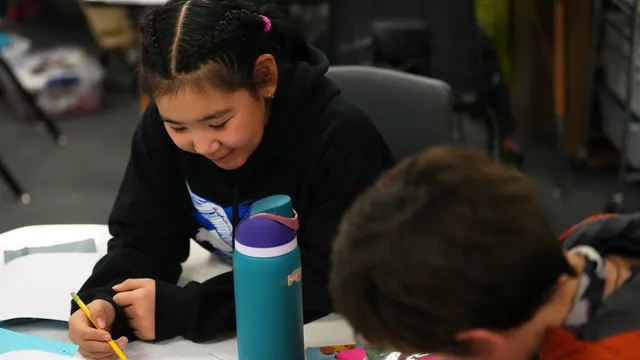
In Alaska, severe flooding caused by the remnants of Typhoon Halong led to significant displacement of residents from coastal villages along the Bering Sea in September 2025. Nearly 700 homes were reported lost or damaged, with one casualty and two individuals missing. Many families were airlifted to Anchorage, where they are trying to adapt to lives vastly different from their traditional cultural practices. As they navigate these changes, children have enrolled in various educational programs, including a Yup'ik language immersion program, which aims to preserve this vital aspect of their heritage. The Yup'ik immersion program focuses on teaching students the Yup'ik language and gains special significance as many children displaced by the floods are now separated from their homes and traditional environments. The program provides half-day instruction in Yup'ik, alongside other subjects, helping students to maintain a cultural connection amidst the upheaval. Approximately 170 displaced children were enrolled in the Anchorage School District, with 71 participating specifically in the Yup'ik immersion classes. These young participants are not only learning a language but also reconnecting with their culture. In the midst of this educational shift, the immersion program serves a dual purpose: it acts as a means of cultural preservation and as a supportive environment for these children to adjust to their new circumstances. Teachers encourage the use of Yup'ik, helping students like Rayann Martin communicate in their native tongue, while also bridging the generational gap that has been disrupted by the recent crisis. The loss of ancestral knowledge and language is particularly poignant, as some of these children's parents and grandparents did not speak Yup'ik, which exacerbates the impact of displacement. As the program grows and flourishes, Anchorage's educational district sees an increase in participation and interest in Yup'ik language instruction, contributing positively to the community's resilience. The immersion classes not only help in language acquisition but also in fostering a sense of belonging and normalcy for children facing significant life challenges. For many, the program offers a safe haven and a way to reclaim their identity, ensuring that traditional practices and stories continue to thrive despite the adversity faced in the wake of the floods.

2026 All rights reserved
