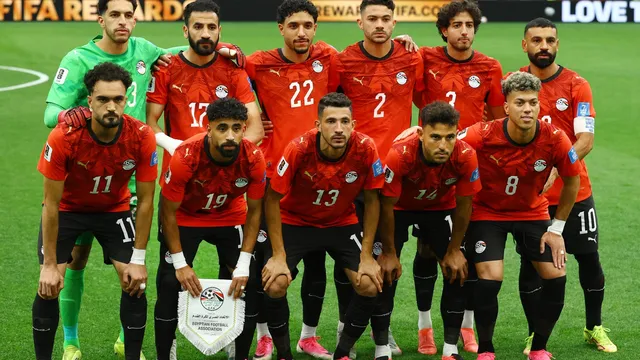
In the lead-up to the FIFA World Cup, Egypt's national football team faced a significant setback when local security officials denied their request for a direct flight from Vancouver to Seattle. This decision was communicated by coach Hossam Hassan, who stated that the team would have to return to their training base in Spokane, located approximately 450 kilometers east of Seattle. The Egyptian Football Association released a statement confirming this development, which came after the team's match against New Zealand. The Egyptian team had hoped to remain in Seattle for their final group-stage match against Iran, but the refusal from security authorities forced them to alter their plans.
Meanwhile, the Iranian football team, known as Team Melli, received a different treatment from U.S. authorities. The Trump administration announced that Iran would be allowed to enter the U.S. two days before their match against Egypt, extending their stay in the country by one additional day. However, they would still be required to leave the U.S. immediately after the match. This decision was confirmed by a spokesperson from the Department of Homeland Security, who did not elaborate on the reasons behind the differing treatment of the two teams. The Iranian team has faced numerous challenges during the tournament, including having to set up their base camp in Mexico while playing all their matches on the U.S. West Coast.
The contrasting experiences of the two teams have raised concerns about fairness and the impact of U.S. travel policies on international athletes. Iranian coach Amir Ghalenoei expressed frustration over the restrictions placed on his team, describing them as the most oppressed team in the World Cup. He highlighted how these travel guidelines have affected their training and recovery, stating that the need to leave immediately after matches has hindered their performance. The situation has drawn criticism from fans and rights advocates, who argue that the treatment of the Iranian squad reflects broader issues related to U.S. immigration policies and their implications for sports.
As the tournament progresses, both teams are in a critical position in their group standings. Egypt currently has four points and can secure a top finish with a win against Iran, while Iran has two points and needs a strong performance to advance to the knockout stages. The outcome of their match will not only determine their fates in the tournament but also highlight the ongoing tensions and complexities surrounding international sports events in the context of geopolitical relations.