

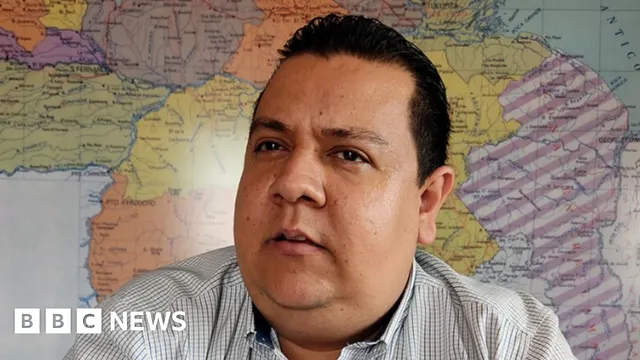
Javier Tarazona gains freedom after four years in prison
Javier Tarazona gains freedom after four years in prison
- Javier Tarazona, a prominent human rights activist, was released from prison after more than four years.
- His release follows Venezuela's commitment to an amnesty bill promising the release of political prisoners.
- This event is part of a broader movement sparked by international pressure, particularly from the U.S.
Story
In Venezuela, prominent human rights activist Javier Tarazona was released from prison after being detained since July 2021. His liberation coincided with the Venezuelan government's announcement of an amnesty bill designed to benefit political prisoners as a result of mounting pressure from the U.S. for reforms. Tarazona, the director of the nonprofit human rights organization FundaRedes, faced serious charges including terrorism and treason due to his vocal opposition against state abuses and illegal armed groups near the Colombian border. His arrest and subsequent imprisonment have been criticized by local and international human rights organizations. Tarazona's release is part of a larger trend; over 300 political prisoners have reportedly been freed in recent weeks, with rights groups like Foro Penal verifying these developments. However, many of those released remain in legal limbo, with charges still pending against them and restrictions on their public discourse. The amnesty initiative has sparked optimism among families of detainees, who have actively campaigned for the release of their loved ones since the government began to engage in negotiations partially influenced by U.S. involvement. The timing of Tarazona's release is critical, as it occurred just after the arrival of U.S. Charge d'Affaires Laura Dogu in Caracas, marking a reopening of diplomatic relations after a significant hiatus. This moment signifies a potential shift in the political landscape in Venezuela, as President Nicolás Maduro's regime grapples with accountability amidst international scrutiny following the U.S. military operations against Maduro's leadership. Tarazona's case, emblematic of the plight of dissidents in Venezuela, underscores the ongoing human rights crisis, exacerbated by the government's systemic displacement and persecution of opposition figures. Despite the hopeful narrative surrounding Tarazona's release, violations remain pervasive, with the government continuously denying it holds political prisoners, maintaining that those imprisoned are criminals undermining national security. Activists like Mar ́ia Corina Machado have lauded Tarazona's bravery and called for the pursuit of justice for all political prisoners. However, for Tarazona, while freedom has been attained, the road to full justice and recognition of the abuses he endured remains long and uncertain.


