Ebola outbreak in DR Congo surges with over 3,200 infections reported
science
tragic
catastrophic

Ebola outbreak in DR Congo surges with over 3,200 infections reported

12
(Update: )
country in Central Africa
  • The Democratic Republic of the Congo is experiencing its 17th Ebola outbreak, with cases rising sharply.
  • The outbreak has led to 3,200 infections and 1,405 deaths, primarily in the Ituri province.
  • Efforts to contain the outbreak are hampered by healthcare worker strikes and logistical challenges.
Share opinion
1

Story

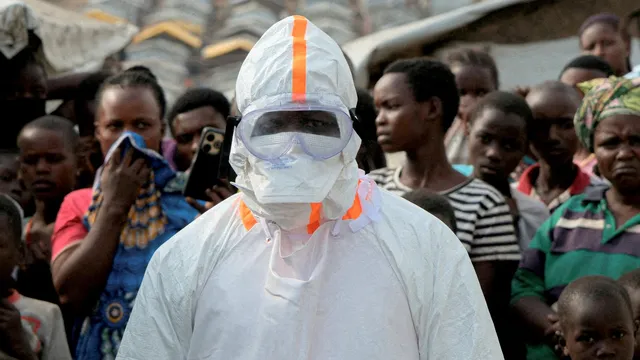
The Democratic Republic of the Congo is currently facing its 17th Ebola outbreak, which was declared on May 15. As of the latest government data, the number of confirmed infections has reached 3,200, with at least 1,405 fatalities reported. The outbreak has escalated rapidly, with an increase of approximately 1,000 cases in just ten days. The Bundibugyo strain of the Ebola virus is responsible for this outbreak, and unfortunately, there is no approved vaccine or treatment available for this specific strain. The World Health Organization has indicated that nearly 90 percent of the cases are concentrated in the northeastern province of Ituri, which shares borders with South Sudan and Uganda. The virus has also spread to five provinces, including two new areas where it has recently been detected. The humanitarian response has been complicated by logistical challenges, as noted by Hedley Tah of the UN Humanitarian Air Service, which is tasked with transporting medical personnel and supplies to affected regions. The organization is also responsible for moving samples for laboratory testing to ensure proper tracking of the virus. Improved detection and testing methods have contributed to the identification of more cases, but the outbreak is expected to persist for several more months. Additionally, strikes by healthcare workers demanding unpaid wages have disrupted response efforts in some hospitals, further complicating the situation. Ebola, a virus that spreads through contact with bodily fluids and causes severe hemorrhagic fever, has claimed over 15,000 lives across Africa in the past 50 years. In response to the outbreak, scientists are working diligently to develop vaccines and treatments for the Bundibugyo strain. Recently, Oxford University announced that the first group of volunteers has received an experimental vaccine targeting this strain, while several other candidate vaccines are being fast-tracked for clinical trials. Two potential treatments are also under development, highlighting the urgent need for effective medical interventions in the face of this ongoing crisis.

Context

The Ebola outbreak history in the Democratic Republic of the Congo (DR Congo) is marked by a series of significant events that have shaped the understanding and response to this deadly virus. The first recognized outbreak occurred in 1976 near the Ebola River, from which the virus derives its name. This initial outbreak resulted in a high mortality rate and raised global awareness about the virus. Since then, DR Congo has experienced multiple outbreaks, with varying degrees of severity and impact on local populations. The outbreaks have often been concentrated in remote areas, complicating response efforts due to limited healthcare infrastructure and access to affected regions. Throughout the years, the DR Congo has faced numerous challenges in managing Ebola outbreaks. The country's healthcare system has been strained by ongoing conflicts, economic instability, and a lack of resources. These factors have hindered effective surveillance, contact tracing, and vaccination efforts. The World Health Organization (WHO) and other international partners have played crucial roles in supporting the DR Congo's response to outbreaks, providing technical assistance, funding, and resources to help contain the virus. The introduction of the rVSV-ZEBOV vaccine during the 2018 outbreak marked a significant advancement in the fight against Ebola, demonstrating the potential for vaccination to control outbreaks and save lives. The social and cultural context in DR Congo has also influenced the response to Ebola outbreaks. Traditional burial practices, which often involve close contact with the deceased, have been a significant factor in the transmission of the virus. Efforts to educate communities about safe burial practices and the importance of seeking medical care have been essential in reducing transmission rates. Additionally, misinformation and stigma surrounding the virus have posed challenges to public health initiatives, making community engagement and trust-building critical components of outbreak response strategies. In conclusion, the history of Ebola outbreaks in the DR Congo highlights the complexities of managing infectious diseases in a resource-limited setting. The interplay of healthcare infrastructure, cultural practices, and international support has shaped the trajectory of these outbreaks. Continued vigilance, investment in healthcare systems, and community engagement are vital to preventing future outbreaks and ensuring a swift and effective response when they occur. As the world continues to grapple with emerging infectious diseases, the lessons learned from the DR Congo's experience with Ebola will be invaluable in shaping global health strategies.