

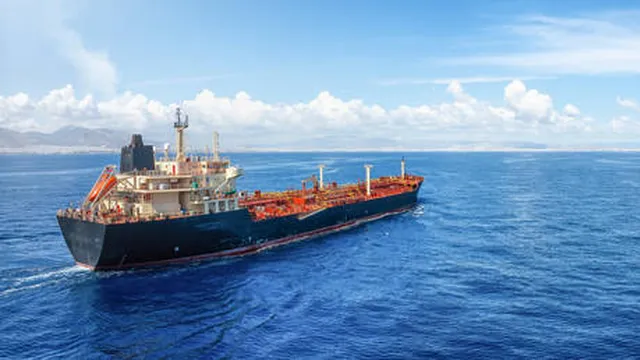
US military seizes oil tanker for defying Trump's quarantine orders
US military seizes oil tanker for defying Trump's quarantine orders
- U.S. military forces intercepted the oil tanker Veronica III in the Indian Ocean for carrying Venezuelan oil.
- The operation was part of the U.S. strategy to enforce sanctions on Venezuela and redirect its oil exports.
- Recent U.S. military actions have drawn criticism from Russia, alleging violations of international norms.
Story
In a significant military operation in the Indian Ocean, United States forces intercepted a Panama-flagged oil tanker named Veronica III. This operation occurred after the tanker was tracked from the Caribbean Sea, where it was believed to be attempting to circumvent U.S. sanctions aimed at redirecting Venezuelan oil. The action aligns with previous declarations by U.S. President Donald Trump, who has emphasized the importance of controlling Venezuela's oil resources to exert pressure on the Venezuelan government. The situation is part of a broader strategy to manage oil exports from Venezuela, a country that has faced international sanctions due to its political climate and controversies surrounding its leadership. The seizure took place overnight on a recent Sunday and is part of a series of ongoing U.S. operations designed to curb Venezuelan oil exports. Earlier in December 2023, President Trump ordered a total blockade on all oil tankers that are sanctioned, which has intensified in recent months. Following this directive, the U.S. military has been actively monitoring and boarding vessels that attempt to move Venezuelan oil, claiming these actions fall under the right of maritime interdiction. The implications of these actions are spread across geopolitical landscapes and market dynamics. Although the U.S. has ramped up its efforts to redirect Venezuelan oil flows toward alternative buyers, other nations have also been reacting. For instance, reports have indicated that Israel has recently received shipments of Venezuelan crude, while India is also exploring opportunities with the country’s oil. Meanwhile, China has indicated a shift away from importing Venezuelan oil, seeking discounted alternatives such as Iranian heavy grades as they try to manage their supply chains. Moreover, Russia has criticized these U.S. military actions, stating that they violate international norms and are a form of economic aggression. Russian officials, including Foreign Minister Sergey Lavrov, have accused the U.S. of attempting to establish control over global energy supply routes, thereby threatening international economic stability. This militarized approach to oil control showcases the tensions arising out of U.S.-Venezuelan relations and highlights the ongoing struggles within Venezuela, especially regarding its leadership under President Nicolas Maduro.
Context
economic geopolitical market analysis insight data shift analysis strategic strategic analysis geopolitical analysis economic market policy geopolitical economic shift trends trends analysis global impact market market policy market trends policy trends trends data market geopolitical impact insight analysis insight trends insight policy impact impact trends market analysis data geopolitical impact geopolitical policy shift policy shift impact strategic analysis market policy impact insight global data global impact impact data policy impact analysis insight insight trends insight shift market trends trends market...


