

Lockheed Martin projects record profits amid escalating global conflicts
Lockheed Martin projects record profits amid escalating global conflicts
- Lockheed Martin forecasts 2026 revenue of $77.5 billion to $80 billion amid global demand for defense
- The company expects profit per share between $29.35 and $30.25, above analysts' expectations
- Rising geopolitical tensions and conflicts are driving increased sales for defense contractors like Lockheed Martin.
Story
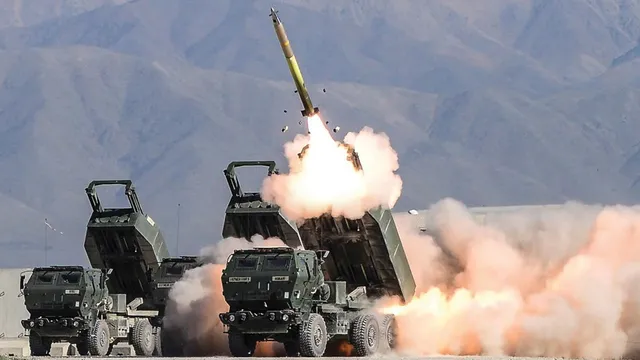
On January 29, 2026, Lockheed Martin, a leading defense contractor based in Maryland, forecasted profits and revenue for the year 2026 that surpass Wall Street's expectations. This optimistic outlook is driven by a sustained demand for advanced fighter jets and weapon systems amid escalating geopolitical tensions globally. The company is anticipating 2026 revenues between $77.5 billion and $80 billion, with earnings per share projected between $29.35 and $30.25. Analysts had estimated revenues at $77.83 billion and earnings per share at $29.28. The uptick in demand for Lockheed's products is largely attributed to ongoing conflicts in the Middle East and the protracted war in Ukraine. Recent events, such as the U.S. forces capturing the Venezuelan president, intensify these geopolitical dynamics, further boosting interest in military procurement. Lockheed’s CEO, Jim Taiclet, noted that key assets including F-35 and F-22 fighter jets, RQ-170 stealth drones, and Sikorsky Black Hawk helicopters were utilized in the Venezuelan operation, showcasing the company's capabilities in real-world scenarios. Notably, Lockheed's fourth-quarter performance report revealed significant growth in various segments. The missiles business, specifically the producer of the Patriot PAC-3 missile interceptors, showcased a remarkable 17.8% increase in sales. Meanwhile, the aeronautics segment, which includes the production of the F-35 fighter jets, reported a sales rise of 6.4%. In 2025, Lockheed delivered a record 191 F-35 jets, a substantial increase from 110 jets delivered in 2024. Overall, the F-35 program stands as the Pentagon's largest acquisition initiative, with estimated lifetime costs exceeding $2 trillion for purchase, operation, and maintenance. Earlier this month, Lockheed also entered into a seven-year agreement with the Department of Defense aimed at ramping up production of Patriot PAC-3 missile interceptors to 2,000 units annually, a significant increase from the previous figure of 600. Additionally, production for the Terminal High Altitude Area Defense (THAAD) missile interceptors will be more than quadrupled to 400 units per year from 96 under a new deal. The anticipated cooperation between Lockheed Martin and the U.S. government aims to manage the mutual economic interests involved, as exceeding production and profit goals on contracts would allow for shared increased profits with the government. However, challenges persist as defense firms face uncertainties introduced by an executive order signed by then-President Donald Trump which linked dividends, share buybacks, and executive pay to weapons delivery schedules. Despite these factors, Lockheed continues to attract strong investor interest, evidenced by a 7.1% increase in shares following the optimistic forecast.
Context
geopolitical analysis policy impact trends impact geopolitical global market insight market analysis policy analysis market data impact global geopolitical market trends trends market global economic policy market strategic data shift global geopolitical economic strategic economic impact analysis trends shift strategic market global global trends trends insight market analysis geopolitical geopolitical policy data market policy strategic market impact insight trends policy insight data global trends impact impact insight economic strategic market economic geopolitical analysis economic geopolitical data market strategic geopolitical insight...


