

Quicksand danger sparks urgent warning for spring travelers at national park
Quicksand danger sparks urgent warning for spring travelers at national park
- The National Park Service has identified quicksand hazards near shorelines and drainages within Glen Canyon National Recreation Area.
- Park visitors are cautioned to recognize warning signs of quicksand, such as soft or spongy soil.
- The service emphasizes the importance of safety measures and awareness to avoid dangerous encounters with quicksand.
Story
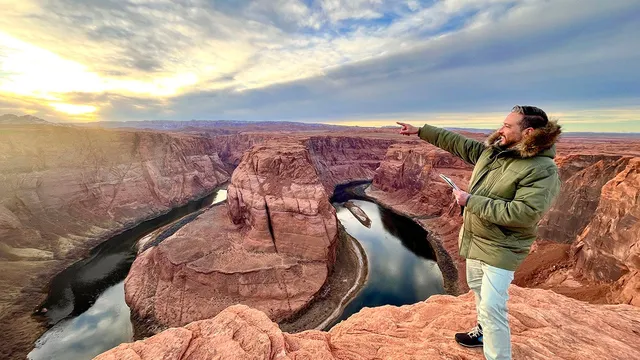
In early March 2026, the National Park Service issued a critical safety alert regarding quicksand hazards in the Glen Canyon National Recreation Area, which lies on the border between Arizona and Utah. The region, popular for its recreational water activities and scenic landscapes, particularly Horseshoe Bend, is now at risk after the park discovered hazardous quicksand areas near shorelines and drainage locations. The service cautioned visitors that although the ground may appear stable on the surface, it could unexpectedly collapse, putting spring vacationers in danger. The park service elaborated on how quicksand could manifest visually. Indicators include dry-looking surfaces that feel soft and spongy, unexpected water seepage, and shifting or vibrating soil. This warning is particularly timely as families begin their spring break visits to the park, a site that attracts numerous outdoor enthusiasts each year. With over 1.25 million acres, Glen Canyon features various terrains and is famous for recreational activities such as boating and hiking. The risk of quicksand is not merely a Hollywood trope; it can lead to serious safety issues. Past incidents have demonstrated the dangers of quicksand, where individuals found themselves trapped, experiencing difficulties in freeing themselves. Reminders from the park service underscore the importance of staying calm and avoiding abrupt movements if caught in quicksand, as sudden reactions can worsen the predicament. Instead, it is advisable to lean back to distribute body weight, slowly wiggle feet to release them, and utilize stable objects for support. Recent rescues highlighted the potential severity of quicksand encounters in national parks. In December 2025, an experienced hiker at Arches National Park required assistance after being unable to extricate himself from quicksand. Similarly, a case in February 2026 involved a Florida man who had to be saved after becoming stuck in quicksand while exploring. Such events highlight not only the unforeseen challenges that can arise in nature but also deliver a message about the importance of vigilance and preparedness for park visitors. The National Park Service's warning serves as a crucial reminder to all who venture into these outdoor spaces, keeping safety as a priority.


