

Southwest Airlines escapes $11 million fine after improving performance
Southwest Airlines escapes $11 million fine after improving performance
- In 2023, the Department of Transportation imposed a $140 million penalty on Southwest Airlines after thousands of flight cancellations.
- The penalty was largely aimed at compensating travelers affected by the cancellations during the 2022 winter storm.
- The waiver of the final $11 million fine incentivizes operational improvements and benefits airline passengers directly.
Story
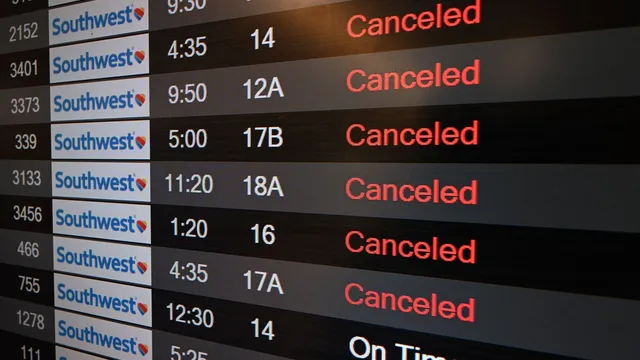
In 2023, the Biden administration penalized Southwest Airlines with a historic $140 million civil penalty due to flight cancellations during a severe winter storm that occurred just after Christmas in 2022. This storm led to the cancellation of 17,000 flights and negatively affected over 2 million travelers. Most of the fine was allocated for compensating those impacted, and Southwest was required to pay $35 million to the U.S. Treasury over several years. However, due to significant improvements in their on-time performance as a result of a $112.4 million investment in their operations, the Department of Transportation issued an updated order that waived the remaining $11 million fine. The purpose of this waiver is to motivate other airlines to enhance their operational efficiency and resilience. The Transportation Department emphasized that the airline's improved performance directly benefits passengers, ultimately focusing on providing a better flying experience without the need to funnel money into government penalties. After the announcement, Southwest Airlines expressed gratitude to the Department of Transportation for acknowledging their operational investments that have contributed to higher service quality. This turnaround reflects new strategies and systems implemented to better accommodate travel during busy periods, especially during adverse weather conditions that can disrupt air travel. Overall, the fine waiver signifies a shift towards a solution that prioritizes public benefit over monetary penalties, encouraging continuous improvements in the airline industry.
Context
The winter storm of 2022 had a profound impact on the airline industry, marking one of the most challenging periods for aviation in recent times. As weather conditions rapidly deteriorated, airlines faced widespread flight cancellations and significant delays, which disrupted travel plans for millions of passengers. The storm, characterized by heavy snowfall, ice, and severe wind conditions, affected multiple regions across the United States and Canada, leading to an unprecedented strain on flight operations. Airports were forced to close runways and limit services, compounding the difficulties faced by airlines as they attempted to reroute flights and accommodate affected travelers. The operational challenges highlighted the vulnerability of the airline sector to severe weather, and many carriers were forced to invoke their contingency plans to manage the crisis effectively. In the aftermath of the storm, airlines experienced a ripple effect that extended well beyond the immediate impact of the weather event. The significant number of flight cancellations not only strained customer relations but also imposed financial burdens on the airlines. The cost of canceled flights, compensation for affected passengers, and additional operational expenses were substantial. As carriers struggled to recover, the operational disruption led to increased labor demands, as staff were needed to help manage the rebooking process and address customer service inquiries. Furthermore, the storm's impact on cargo operations also had economic implications, affecting supply chains and delivery schedules across various sectors that rely on air freight. Airlines have since recognized the necessity of investing in improved weather forecasting and enhanced operational readiness. The industry has been adopting advanced technology solutions to anticipate severe weather events more effectively, aiming to reduce the impact of future disruptions. Additionally, there has been a concerted effort to streamline communication with passengers, ensuring that travelers are well-informed about their flight status and available options during such crises. This approach helps to mitigate passenger frustration and reassures customers that the airlines are committed to minimizing disruption and maintaining service reliability. The lessons learned from the 2022 winter storm will likely shape how the airline industry prepares for adverse weather conditions in the future. As climate patterns change and extreme weather events become more common, airlines must adapt their operational strategies to enhance resilience. Future investments in technology, infrastructure, and staff training will be essential to effectively respond to similar challenges. Ultimately, the storm underscored the importance of proactive measures in crisis management, highlighting the need for airlines to remain agile and prepared to navigate the complexities of operating in increasingly unpredictable weather conditions.


